Cats are born hunters and also intelligent animals that need both physical and mental stimulation. Here you'll find out how a cat hunt unfolds, why cats hunt and how to keep your cat busy in a way that suits its nature.
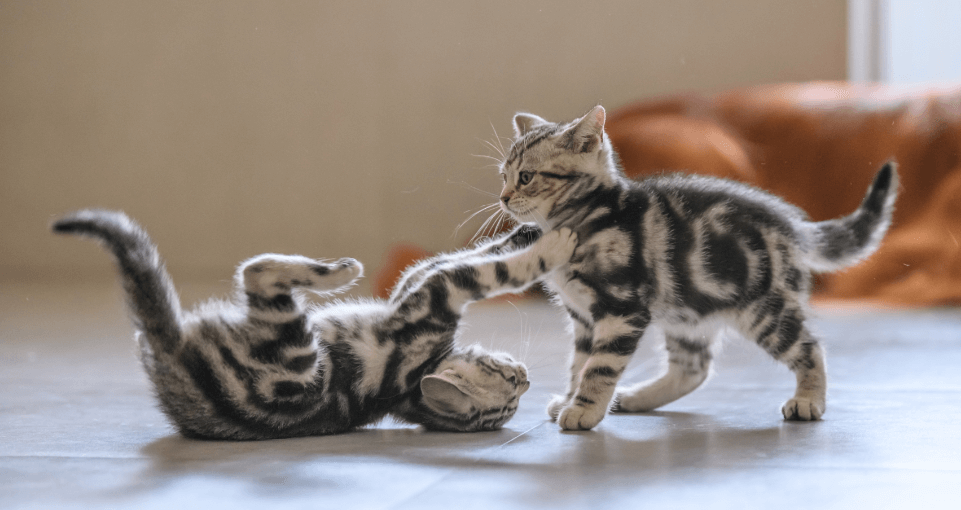
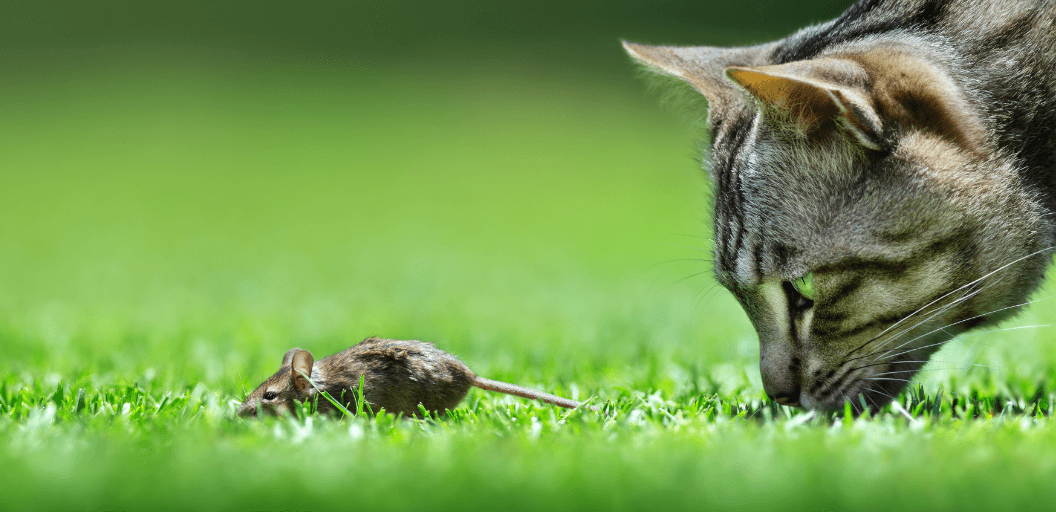
We've all seen cats sitting for hours in one spot on a meadow: cats on the hunt. Even the smallest kittens learn to hunt by playing with their littermates. They practise stalking and pouncing on their siblings. Not every cat has the same talent for hunting, but the innate hunting instinct is present in all of them.
What do cats hunt?
In general, cats hunt anything that is smaller than they are. This primarily means mice, rats and birds. But larger prey such as squirrels and rabbits, as well as butterflies and insects, also count.
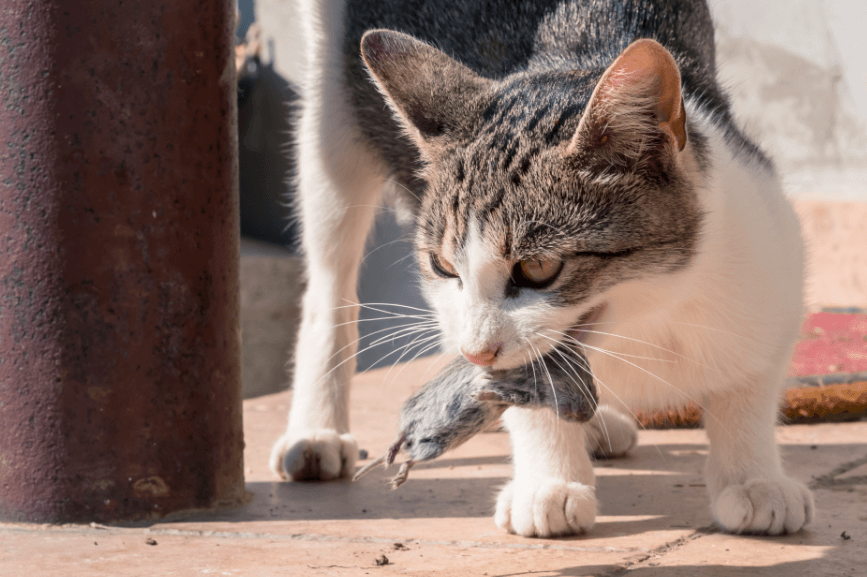
Most young cats score their first hunting successes with slow prey such as salamanders, earthworms or beetles. This prey is usually brought home just to show off, not to be eaten.
Cats steadily improve their hunting and learn the best ways to succeed. As a result, the prey gets bigger and bigger: worms turn into small shrews and later into large mice. Good hunters even catch a bird now and then, though usually only injured or very careless ones.
Hunting also affects eating behaviour. We all know it: the new food that was a hit a month ago is suddenly turned down, and something new has to be found. This behaviour comes from nature: wild cats keep switching the type of prey they hunt so they don't become dependent on one species if there's a shortage. This survival instinct is still very pronounced in domesticated cats.
How does a cat hunt unfold?
Cats are stalking and ambush hunters. Once they have spotted prey, they creep up quietly and sometimes hold still for several hours until the actual attack. They learn very quickly where they need to lie in wait to catch something. If you have a bush or tree in your garden where birds often land, for example, you'll often see cats lurking beneath it. Depending on the type of prey, they use different hunting methods:
Hunting mice at a mouse hole
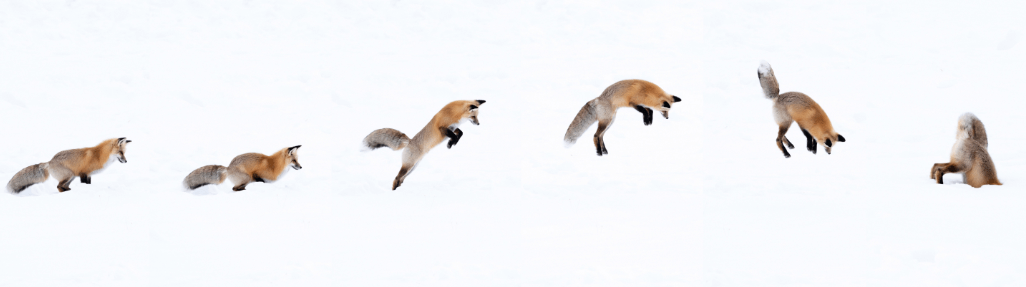
Once the cat has found a suitable mouse hole, it starts by sitting in wait. It sometimes stays in the same spot for several hours until the prey shows itself. When the moment comes, it performs the so-called “mouse pounce”: it jumps vertically into the air and lands on the mouse with its front paws as precisely as possible. The tail helps with balance. The picture shows a fox that has perfected this method.
Hunting prey on the ground
The cat uses a different method for prey that is out in the open on the ground. It is very often seen in big cats such as lions and tigers. Once the cat has spotted prey, it first adopts the ambush position.
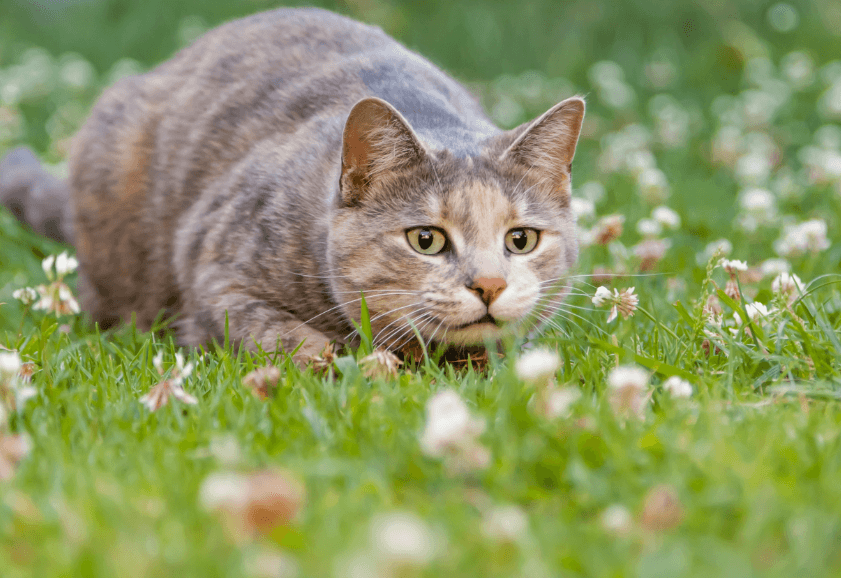
Then, with slow, crouched movements, it creeps as close as possible to its prey without being noticed. It uses every bit of available cover and even moves its paws very slowly. In big cats, it has been observed that they choose a route against the wind so their scent doesn't carry to the prey and warn it. Once the cat is close enough, it launches into the final sprint and tries to reach its prey with a well-aimed leap.
Hunting flying prey
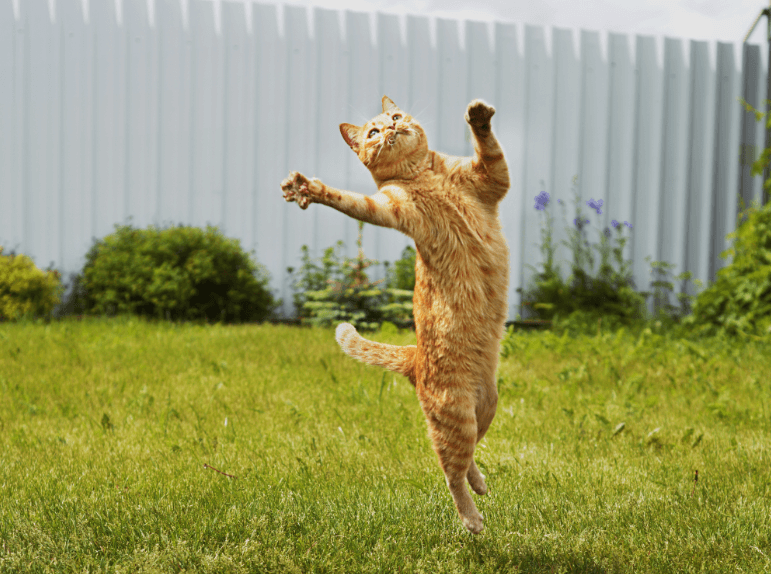
With birds or insects, cats also lie in wait, but they try to catch the prey in flight. To do this, the cat jumps vertically into the air and tries to grab the prey with its paws.
The killing bite
Every hunting method ends with the killing bite. The prey is killed with a precise bite to the neck, the narrowest part of the body. Thanks to their genetics, cats know exactly where to bite. However, they first have to learn how hard to bite. Scientists assume that cats have an innate bite inhibition that they first have to overcome. This may be one reason why young, inexperienced hunters often bring their prey home alive.
Why do cats hunt?
The hunting instinct is innate in cats, whether big cat, wildcat, outdoor cat or indoor cat, and serves primarily their own survival. But it isn't driven mainly by hunger. A well-fed cat doesn't necessarily kill fewer mice. In fact, it is usually more successful, because it isn't prone to overreacting out of hunger.
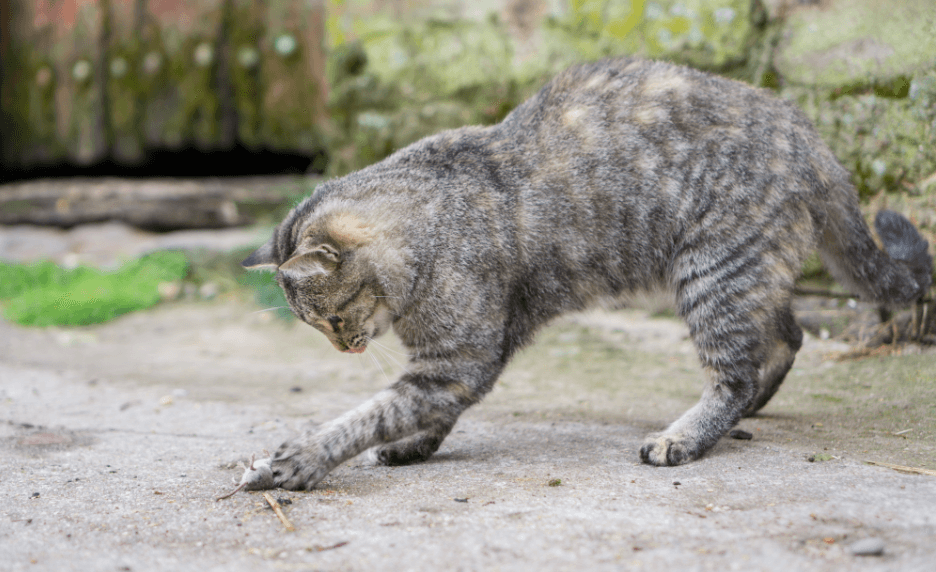
Cats often play with their prey. One reason may be that our pets don't hunt out of hunger, so it simply serves to satisfy the hunting instinct. This fits with the fact that town cats and relatively inexperienced, well-fed cats play with their prey more than cats that hunt out of hunger. On the other hand, there is a hypothesis that cats want to wear their prey down to make it easier to kill. Wildcats have not so far been observed playing with their prey.
Even with indoor cats that have never left the house, you can see them go straight into hunting mode when, for example, a bird appears outside the window. That's why it's important for indoor cats to be able to act out their hunting instinct through play too.
Why does your cat bring its prey home?
Every cat owner has surely asked themselves this question at some point. The phenomenon is seen mainly in well-fed house cats. One explanation may be that cats see us as substitute kittens. They bring us the prey so that we get something out of it too, and perhaps become successful hunters ourselves. Mother cats bring live prey home to their young to practise on. In fact, though, cats generally tend to bring their prey into their core territory because it is a quiet, safe place to eat.
How often do cats hunt?
Wild cats hunt whenever the opportunity arises. On average, they go hunting roughly every two hours. Domestic cats are usually out and about very often too, even though they don't hunt out of hunger: it's simply in their nature to satisfy the hunting instinct. You often hear that neutered cats hunt less than unneutered ones. However, the hunting instinct is completely independent of hormone status.
Whether house cat or outdoor cat, every cat has an innate hunting instinct that wants to be satisfied. Hunting is exciting and self-rewarding for cats. For domestic cats, it therefore serves primarily to satisfy the hunting instinct and for fun.
How do you keep your cat entertained in a way that suits its nature?

Cats don't just need enough peace and time to themselves, they also want to be kept occupied. This keeps them physically and mentally fit and agile. Bored cats often develop behavioural problems, for example hunting their owner's feet with claws and teeth. Appropriate enrichment prevents this. Cats are just as capable of learning, and just as willing, as dogs, when it suits them.
Classic prey games
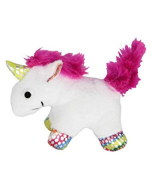
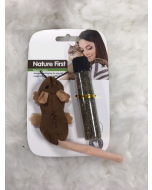
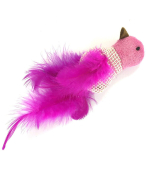
Playing with fur mice or even just a piece of string is the classic activity for cats. They like to react quickly to small moving objects, and these are especially attractive when they disappear into a hole or around a corner. Whether balls, plush mice or toys with feathers: most cats love to lie in wait for such objects, pounce on them, dig their claws in or bite them. Prey games are an important activity, especially for indoor cats, because unlike outdoor cats they can't go hunting.
Watch out with wool and thin string: cats can get tangled up in them and seriously hurt themselves. They can also swallow toys that are too small.
Puzzle games for cats
Puzzle toys are ideal for challenging and stimulating your cat's mind. In the simplest game, the cat has to knock over small cups with treats hidden underneath. Many cats don't manage this straight away. You can help by tilting the cups so your cat can still see the treat and knock the cup over more easily. Over time, it learns that there is a reward under the cup, even when it can't see it.

Note: with more demanding puzzle games, cats need some help so they don't become overwhelmed and frustrated. So watch closely to see what works and what doesn't. Signs of being overwhelmed are displacement behaviours such as grooming, licking a paw or intention movements with the paw (a kind of “waving” motion). If these appear, take a step or two back and make the task easier.
Here you'll find a selection of puzzle games for your sofa tiger.
Search games for cats
Simple search games can be set up in any home: first you hide small pieces of food or toys in different places, then you show your cats where the items are. You do this using the word “Find”. The cats remember the places where there's always something to be found, and eventually you can send them off yourself with the command “Find”.
Clicker training for cats
The clicker is a small device that makes a clicking sound when you press it. In clicker training, you work with positive reinforcement, usually with food rewards, but also with stroking or play. In basic training, your cat first learns that a click always means: a reward is coming. Once that has sunk in, you can move on to the actual training. If, for example, you want your cat to touch your outstretched index finger with its nose on command, you click in training exactly when it does so spontaneously. This takes some patience and has to be repeated often until the cat has learned the connection. It will then do it more often to get the reward, and willingly follow your index finger when it leads it somewhere.
Once cats have understood that certain behaviours earn a reward, they also start trying out which other behaviours might get them a click and a reward too. You can find out more about clicker training for cats in suitable reading.
Have fun playing and practising with your cat.