Healthy teeth are essential for dogs and cats, not just for their wellbeing but for their overall health. Here you'll find out how to take the best care of your pet's teeth, what alternatives there are to brushing, and which products can help.
Why is dental care so important?
Combined with saliva, plaque can turn into tartar within just a few days. Bad breath, inflammation, toothache, periodontitis and tooth decay, right through to tooth loss and damage to organs such as the liver or kidneys, are all possible consequences of tartar. Dental problems can cause pain and loss of appetite, and even lead to systemic illnesses if bacteria from the mouth enter the bloodstream.
Most older animals show signs of dental disease such as plaque, tartar or periodontitis. These can not only lead to bad breath and pain, but also increase the risk of heart, liver and kidney disease. That's why regular, thorough dental care is essential.
Of course, each animal's genetics also play a role. As with us humans, some animals are simply more or less prone to problems than others.
How do you brush teeth properly?
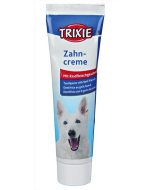
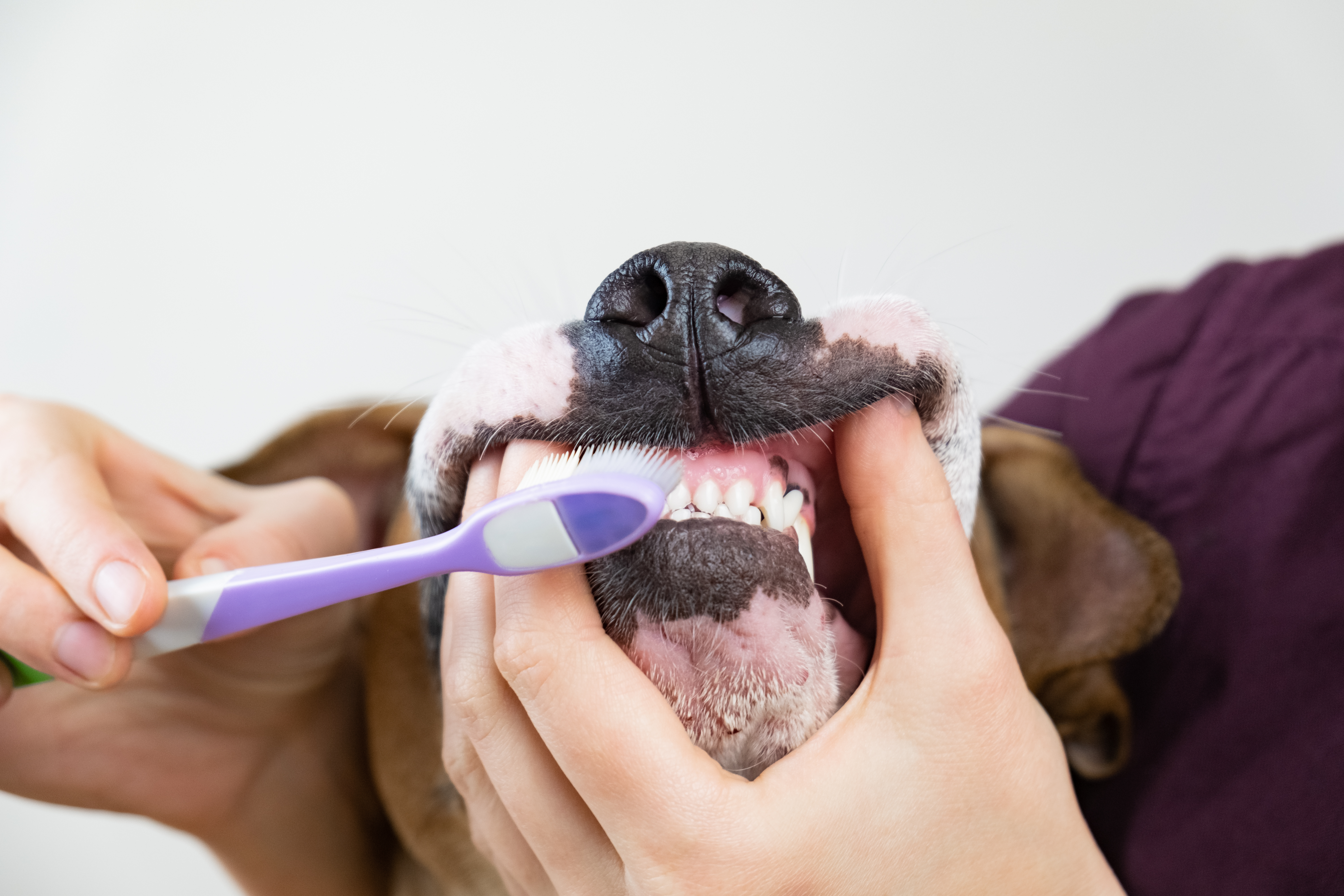
Regular brushing is by far the most effective way to prevent dental disease and keep teeth healthy in the long term. Use special toothbrushes and toothpastes made for pets, as human products can be harmful. Ideally, brush daily, but at least several times a week.
What alternatives are there to a traditional toothbrush?
For many dogs and cats, traditional brushing is a challenge. Here are some preventive alternatives or additions:

- Drinking water additive: reduces the adhesion of bacteria to the tooth surface.
- Toothbrush: cleaning through traditional brushing.
- Ultrasonic toothbrush: silent, vibration-free deep cleaning without anaesthetic.
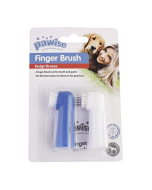
- Finger brush: some dogs find cleaning with a toothbrush strange and are happier having their teeth cleaned with a finger brush. Plaque can be removed with gentle pressure.
- Food supplement: simply mixed into the food, it can ease bad breath or inflammation after just a few days.
- Spray or gel: a simple and quick solution.
Sprays and gels
Dental care sprays or gels are a practical alternative or addition if brushing doesn't work. One example is Platinum Oral Clean+Care Gel or Spray. This product contains natural ingredients such as essential oils, which can loosen plaque and help prevent tartar, all without a brush. You simply put it in your pet's mouth or apply it to the gums.
How do chew snacks and chews support dental care?
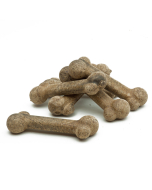
Chew snacks and chew toys can support dental care by mechanically removing plaque and massaging the gums. Tartar comes off most effectively when chewing chews if you have first given a drinking water additive or food supplement for dental cleaning. So it's a good idea to offer chews alongside other aids. Particularly suitable are:
- Chew bones
- Chew toys
- Coffee tree root

Make sure the products are suitable for your pet, and supervise chewing to prevent choking.


What does seaweed meal do for teeth?
Seaweed meal, especially from the brown alga Ascophyllum nodosum, is used as a natural support for dental health, in a way as dental care from the inside. It can help reduce plaque and improve the oral flora. Its benefits:
- Rich in minerals and vitamins
- Supports thyroid function thanks to its natural iodine content
- Can improve the pigmentation of skin and coat
Caution: The iodine content in seaweed meal can vary considerably. An overdose can lead to thyroid problems. It's therefore important to follow the dosage recommendations closely and to consult your vet if you're unsure.
When is professional tartar removal at the vet worthwhile?
Having tartar removed by a vet on a regular basis is highly recommended, as the teeth are professionally cleaned and examined. "Bad" teeth are also identified and can be extracted during the same treatment. However, professional tartar removal is carried out under general anaesthetic. The alternatives mentioned above can help with prevention.
In summary: what does thorough dental care involve?
Thorough dental care for dogs and cats includes:
- regular tooth brushing
- the use of suitable chew snacks and chew toys
- targeted supplements, for example with seaweed meal
- regular check-ups with the vet and, where necessary, tartar removal
With these measures, you can support your pet's dental health and prevent serious illness.
Image credits: Shutterstock, AI, Sanpfist