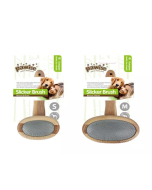

Regular coat care is a must for many dogs, and not just for looks, but for their health and wellbeing too. Here you'll find out what's behind washing, cutting, blow-drying, trimming and shaving, when your dog needs what, and what to pay particular attention to in winter.
How often should you wash your dog?

Many people think: “The more often, the better.” That's not true. Dogs should only be washed when it's really necessary, for example after a mud bath or if they smell strongly. For many dogs, a bath every 1 to 3 months is enough. Less is more.
Only use dog shampoo. Human shampoos, including baby shampoo, can disrupt the pH of a dog's skin and lead to itching or dandruff. There are also natural, vegan shampoos that are particularly gentle on the skin, for example for sensitive dogs or those with allergies. Specially formulated dog shampoos also prevent the skin and coat from drying out.
When does cutting make sense?
Cutting mainly applies to dog breeds with continuously growing coats, such as the Maltese, Poodle or Havanese. In these breeds the hair grows constantly and doesn't fall out by itself. Cutting is therefore a must, so your dog doesn't suffer from a matted coat. A well-kept cut not only lets air reach the skin, but also helps you spot parasites sooner.
What is trimming and how often is it needed?
Trimming means removing dead hair from the coat by hand or with special tools. This is particularly important for so-called wire-haired breeds such as the Schnauzer or terriers. Dead hair no longer protects the skin, but it does block the shedding cycle. If a dog isn't trimmed, the coat can look dull and matted, and it itches.
Trim roughly every 8 to 12 weeks, ideally at a professional groomer, or yourself once you've been shown how.
Can you shave every dog?
No. In many breeds with a dense undercoat (for example the Husky, Border Collie or German Shepherd), shaving can disrupt natural temperature regulation. In summer, the coat also protects against heat. Shaving only makes sense:
- if the coat is badly matted
- on veterinary advice
- for heat-sensitive, non-shedding dog breeds
If in doubt, the rule is: brush rather than shave. If you're unsure, a visit to a professional dog groomer will help. Breeds that are otherwise shaved need every hair in winter. So postpone the usual shave until spring, when temperatures allow it.

Should you blow-dry your dog?
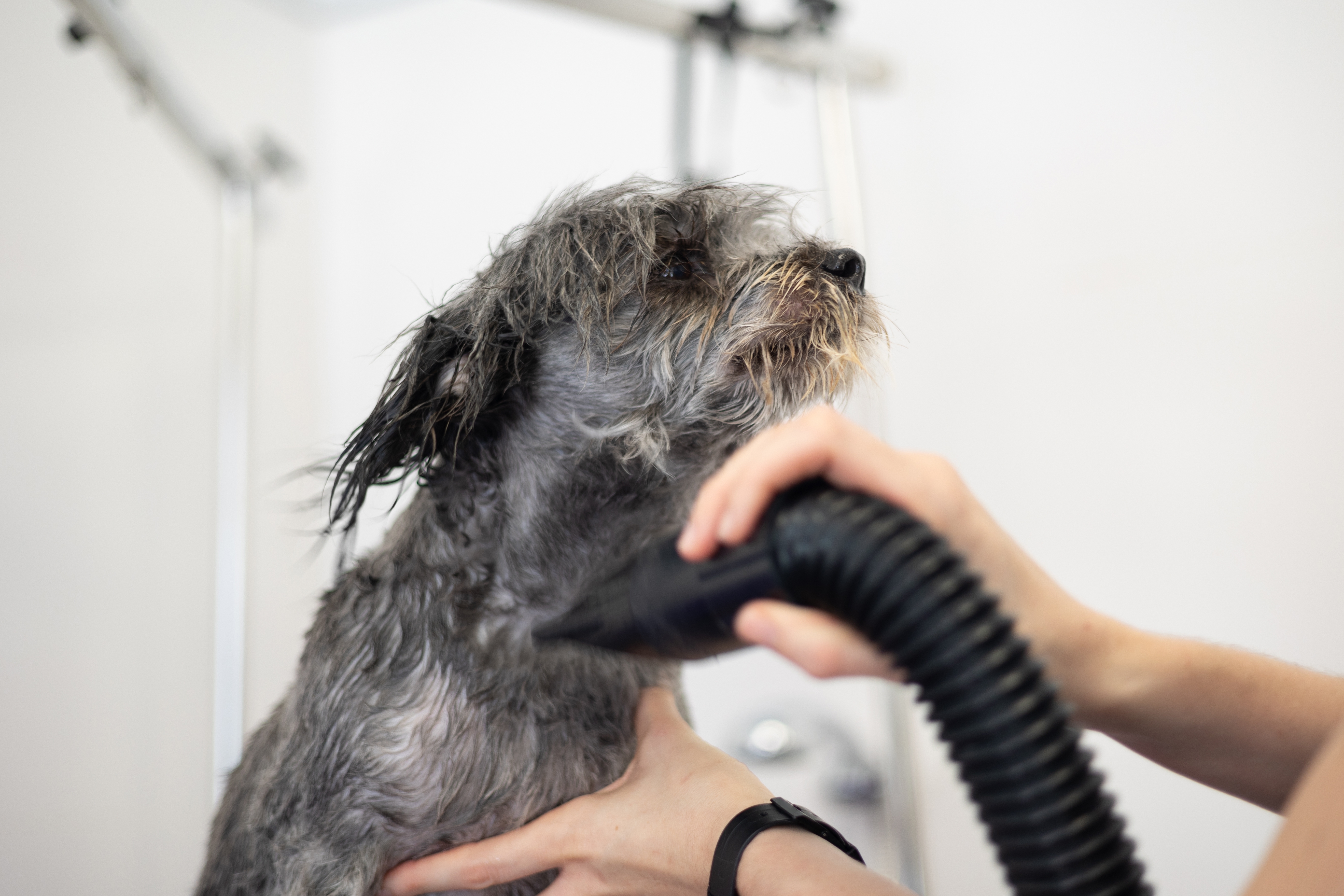
Many dogs don't like it at all, while others love the warm airflow. As a general rule, after washing the coat should dry thoroughly and quickly so that no chill builds up and no skin problems develop. This also stops your dog from catching a cold because of dampness left in the coat.
Short-haired dogs often dry in the air. Long-haired or thick-undercoated breeds such as the Golden Retriever or Australian Shepherd benefit from blow-drying with a special dog brush, as the coat is detangled at the same time. Use a quiet dog dryer with a cool-air setting, which is kinder on nerves and coat structure. Don't set the dryer too hot and don't hold it too close to the coat.
What do your dog's skin and coat need in winter?
In winter, skin and coat are put under particular strain. Outside the air is freezing, while indoors it becomes extremely dry because of the heating. With the right coat care, you keep your dog healthy and lively through the cold season.
Daily brushing and “trimming the ends”
“Trimming the ends” for a well-kept coat also makes sense in winter, and regular brushing is a must to prevent matting. A matted coat no longer gives your dog enough protection. When brushing, make sure the coat is completely dry, otherwise you'll damage the hair structure. Dogs with a short coat and not enough undercoat can be given extra support with a dog jacket if needed.
Cleaning and drying the coat thoroughly
Even if a dog is otherwise only washed when necessary, salt and dirt need to come out of the coat in winter. Wash your dog with lukewarm water. The belly and genital area in particular need to be cleaned to prevent infections. Dry the coat thoroughly after washing so your dog doesn't catch a cold from leftover dampness.

Flaky skin and dull coat
Cold and heating air put skin and coat under extreme strain. If your dog suffers from dry, flaky skin and a dull coat, adding a little linseed or fish oil to their food can help. A humidifier in your home also counteracts dry heating air.
Paw care before and after the walk
In dogs with long coats, trim the hair between the paw pads or have it trimmed. This stops lumps of snow and ice from forming between the pads, which would be painful for your dog and could lead to injuries. Claw care shouldn't be neglected either.
Before the walk, you can rub your dog's paws and any longer belly hair with Vaseline, udder balm or a special paw care product. This keeps the pads supple and less prone to cracking. After the walk, rinse the paws with lukewarm water, apply cream again or spray them, and free the coat of ice and snow. You can find out more in the article Paw care in winter and how to make your own paw balm.
Conclusion: less is often more, but regularity matters
Coat care doesn't have to be complicated, but it should be regular, suited to your dog's type and done with love. Whether it's washing, cutting, blow-drying, trimming or shaving: watch your dog closely, check their coat and skin, and work with a grooming routine that suits you and your four-legged friend. If you're unsure, talk to a groomer or your vet. After all, a well-groomed dog isn't just good-looking, but healthy and happy too.
Image credits: Shutterstock, AI-generated, petcenter.ch. Parts of the winter care section: hunde-zone.at