Thanks to their supposedly low-maintenance nature, guinea pigs are among the most popular pets. However, there are some important things to consider before you get them.
What legal requirements apply?
There are legal minimum dimensions for keeping guinea pigs in captivity. In Switzerland, the minimum size for two adult guinea pigs is 100x50x50 cm (0.5 m²). However, these dimensions are only the legal minimum requirements, and they refer to the interior dimensions of the cage, not the exterior ones. As guinea pigs need plenty of exercise, it is strongly recommended to keep them outdoors, just like rabbits.
Male or female: which is better?

Guinea pigs should be kept in a harem, meaning one male and several females. Early neutering of the male is recommended, ideally at 6 to 8 weeks of age. This early neutering is carried out shortly before sexual maturity, which makes the male guinea pig infertile immediately. It is advisable to get advice from a vet or breeder. Alternatively, you can also keep groups of neutered males or all-female groups. Disagreements can sometimes occur among females, but this is relatively rare.
How do you set up the enclosure?

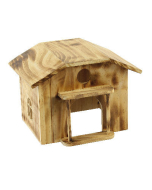
Outdoors, guinea pigs should ideally have an area of at least 6 square metres. It is a legal requirement that every guinea pig has its own little house with two exits for its safety. Several food bowls and water points are important to avoid conflicts. Water should be offered in bowls rather than bottles, as otherwise the rodents have to adopt an unnatural posture to drink. Hay must also be available at all times.
At night, guinea pigs are best kept in outdoor hutches to protect them from potential predators such as foxes or martens. In summer, shaded spots are important to protect the guinea pigs from the heat. For optimal safety, you can also stretch a net over the run.
How do you feed guinea pigs properly?

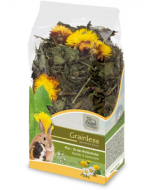
Guinea pigs are strict herbivores and love a wide variety of herbs. Branches for gnawing are a must and can come from unsprayed hazel, beech or fruit trees. They also enjoy eating the leaves.
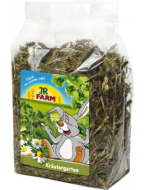
Hay should always be available. Guinea pigs have a “packed gut” that must be continuously filled so that droppings can be passed. They eat up to 80 small meals spread over 24 hours, including at night. That is why they should always have access to hay, which is rich in fibre.
Guinea pigs can also be given fresh food such as fennel, spinach or celery. You should only feed watery vegetables such as cucumbers in moderation, and the same goes for fruit, to reduce the risk of diabetes. Vitamin C, which guinea pigs cannot produce themselves, can be supplemented with nettles, parsley or peppers.
Guinea pigs are not cuddly toys
Guinea pigs are prey animals and therefore not suited to cuddling. Picking them up and handling them causes enormous stress for the rodents, which often leads to fungal infections, one of the most common illnesses in guinea pigs. Some guinea pigs can become quite tame over time, but this takes a lot of patience and calm.