Winter brings more than snow and cosy blankets: it also puts extra strain on your pet's paws. Cold, road salt and icy paths can quickly leave dogs and cats with cracked, irritated or injured skin. Here you'll find out how to look after their paws properly and how to make your own paw balm.
Why is paw care so important in winter?
The skin on the paws is tough, but not invincible. In winter, cold and dryness put it under particular strain. After long walks through slush, snow, ice and salt, it often becomes brittle and cracked. Add aggressive road salt or grit, and it can quickly lead to small cracks, inflammation or painful injuries.
Dogs are affected most because they go for walks outdoors, often several times a day. But outdoor cats that roam in snow and ice can also suffer from dry or sore paw pads.
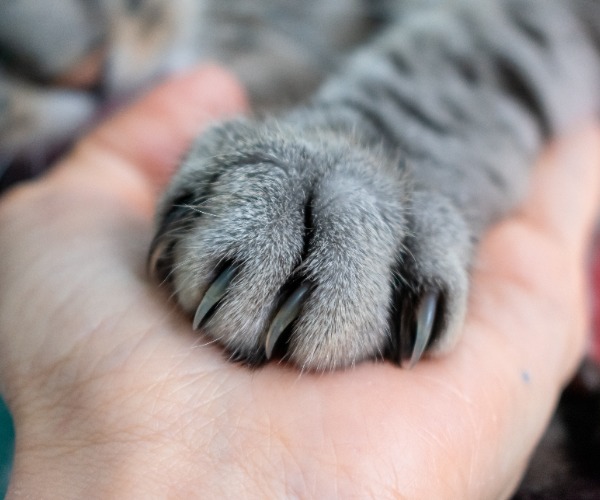
How do you look after your pet's paws properly in winter?
1. Check the paws regularly
After every walk or outdoor trip, you should give your pet's paws a quick check:
- Are there lumps of ice or traces of road salt stuck between the pads?
- Are there any cracks, redness or small injuries?
- Does your pet seem sensitive when you touch the paws?
This way you'll spot problems early and can act in good time. On longer outings, also check your dog's paws now and then and remove any snow stuck between the toes, as it can irritate the skin and lead to sore spots and injuries. From time to time, also remove clumps of snow and ice from the coat that hinder your dog when walking.
2. Care for the paws before the walk
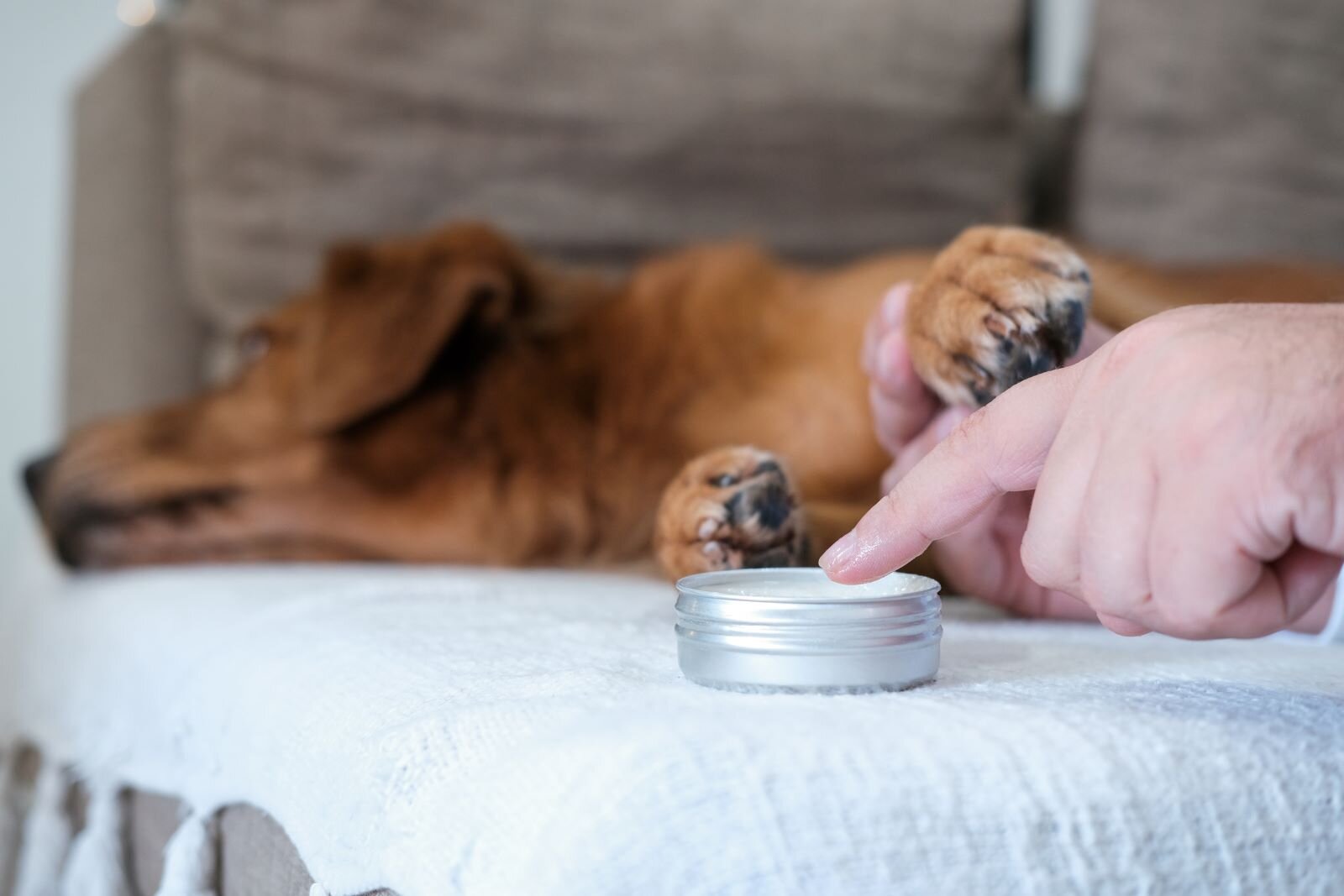
Prevention is everything. Before the walk, you can rub your dog's paws and any longer belly fur with petroleum jelly, udder balm, a paw balm, a protective cream or a special paw care product. This makes the pads suppler and more resilient, and stops them drying out. The fat also means ice, snow and salt are less likely to stick between the toes and in the coat. It's best to apply the product before the walk and let it soak in briefly. Take plenty of time if your dog isn't used to it yet.
Look for natural ingredients without fragrances or irritating additives. Good ones include:
- Marigold (anti-inflammatory)
- Shea butter or coconut oil (nourishing and protective)
- Beeswax (water-repellent)
3. Choose your route carefully
On winter walks, try to pick routes that haven't been heavily salted.
4. Clean the paws after the walk
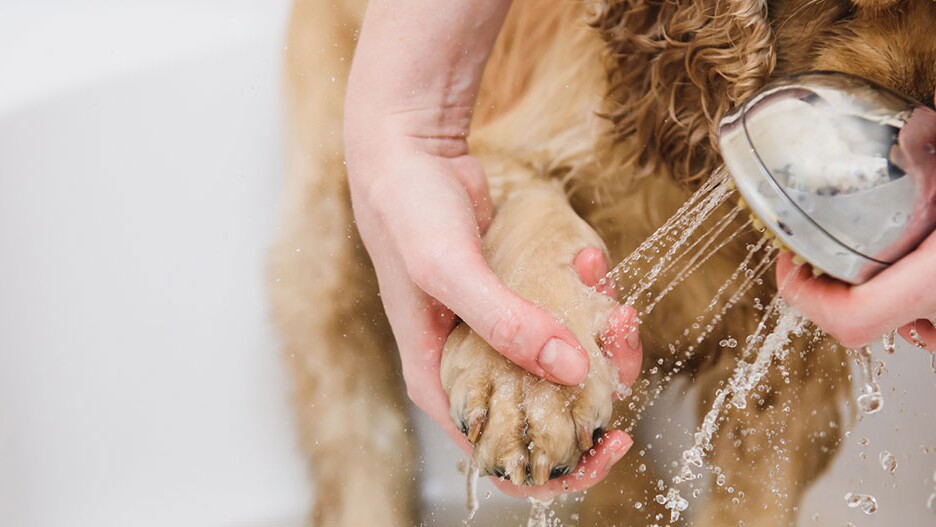
Especially with dogs, it's important to wash the paws in lukewarm water after the walk and remove ice and snow from the coat. This removes salt and dirt and soothes the skin. The water should be no warmer than hand-warm: very warm or hot water is painful for dogs, just as it is for us, especially after a walk in the cold. Gently pat the paws dry afterwards rather than rubbing. If the paws are cracked, treat the pads after washing with cleansing ointments or sprays, or apply ointment again.
For cats, a damp cloth is usually enough if you notice they've come into contact with salt.
Many dogs would also lick their paws clean themselves. Licking off larger amounts of salt can cause digestive problems, diarrhoea or vomiting, especially in pets with sensitive stomachs. That's another good reason to clean the paws.
5. Trim the hair between the pads
Longer hair between the pads can quickly lead to small balls of ice in winter. That's uncomfortable and painful. For dogs with long coats, it's therefore advisable to trim the toes in winter, i.e. carefully shorten the hair regularly. To avoid injuries when clipping, it's best to go to an experienced vet or a professional dog groomer. It helps if your dog gets used to strangers touching its paws from an early age. You can also playfully introduce it to the sound of clippers while it's still a puppy. Claw care shouldn't be neglected either.
With cats this is usually less of a problem, but for long-haired cats an occasional trim can make sense too.
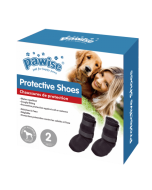
6. Dog boots for protection?
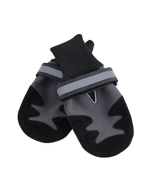
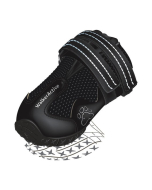
Dog boots divide opinion. Some dogs accept them without any fuss, while others refuse to take a single step. This usually passes after a short time, and dogs get used to them. Protective paw boots can be a good solution, especially for very sensitive pets, for dogs in pain outdoors or in extreme weather. Important:
- The boots must fit well and must not rub.
- Practise wearing them at home and get your dog used to them slowly, otherwise it will want to take them off straight away.
- Choose breathable material with a non-slip sole.
Boots are generally not an option for cats. Here the rule is: short spells outdoors and good care afterwards.

7. Pay attention to diet
Healthy skin starts from within. A balanced diet with high-quality fats, for example salmon oil or linseed oil, can help make the skin, and therefore the paws, more resilient. Dogs and cats benefit from a winter-appropriate diet that strengthens the immune system and supports skin care.
How do you make your own paw balm?
There's a wide choice of ready-made paw balms and sprays for paw care before and after winter walks. But if you don't mind the effort, you can also make your very own paw balm. It's not as difficult as it sounds.
Ingredients
- Oil (calendula, plantain or comfrey oil)
- Beeswax
- Vitamin E
Method
First, put a small plate in the freezer so you can test the consistency of the balm later.
The oil you've chosen is stirred into a balm with the help of a thickening agent, in this case beeswax. Heat the oil together with the beeswax in a water bath until the beeswax has dissolved completely in the oil.
To test the consistency, let a little of the mixture drip onto the cold plate. After a few seconds the oil and beeswax mixture sets on the plate, and you can check whether the balm has the consistency you want. If it's too soft, add a little more beeswax. If it's too hard, it needs more oil. To make the balm keep for longer, you can add vitamin E.
Depending on the amount of oil, these are the quantities of beeswax and vitamin E you need:
| Beeswax | Oil | Vitamin E | Balm |
|---|---|---|---|
| 12 g | 100 ml | 3.5 ml | 100 ml |
| 24 g | 200 ml | 7 ml | 200 ml |
| 36 g | 300 ml | 10.5 ml | 300 ml |
| 48 g | 400 ml | 14 ml | 400 ml |
| 60 g | 500 ml | 17.5 ml | 500 ml |
Once you're happy with the consistency, pour the still liquid balm into small pots. Fill the pots as close to the brim as possible, so the balm keeps longer thanks to the lack of air. At first the balm will be a darker colour, but it gets gradually lighter as it cools. Leave the pots open until they have cooled completely. Then put the lids on, label them, and you're done.
Which products help on winter walks?
More products for winter walks with your dog:
Conclusion: a little care gets you through the winter
Winter paw care isn't rocket science, but it makes a big difference. With regular checks, gentle cleaning and nourishing products, you can spare your pet a lot of stress and pain. And as a bonus, paw care becomes a lovely opportunity for closeness, cuddles and trust. You'll find more winter care tips in our article Coat care for dogs.
Image sources: almonature.com, hoerzu.de, catslove.com, Shutterstock. Parts of the text: drei-hunde-nacht.de, easy-dogs.net