
Dog coats and jumpers are often seen as a fashion accessory. But functional coats, jumpers and boots can be genuinely useful, especially on cold, wet days. Here you'll find out when which dog clothing makes sense and what to look for when it comes to fit.
When does a dog coat make sense?
Protection from the cold

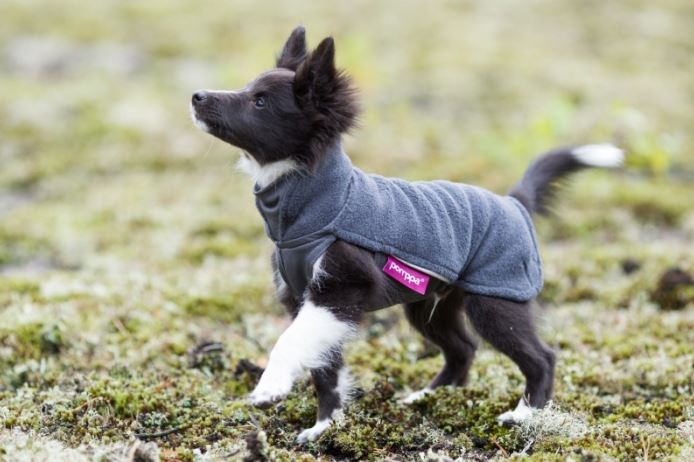
Dogs with little fur or undercoat: Dogs with short fur, no undercoat or no fur at all get cold very quickly, especially in winter. They find it hard to keep themselves warm.
Sensitive groups of dogs:
- Older dogs: Their body temperature regulation is often no longer as efficient, so they particularly depend on extra protection.
- Dogs with little subcutaneous fat: Puppies and slim breeds such as greyhounds have few fat reserves and no dense undercoat, which makes them more susceptible to the cold.
- Small dogs: They usually have thinner fur, less body fat and a lower body mass, so they cool down faster.
Support for joint and back problems
Dogs with joint and back problems benefit from the warmth of a coat. The extra warmth, or staying dry in wet weather, can reduce muscle tension and so also improve pain management.
Active dogs
Feeling the cold doesn't automatically mean your dog is freezing. A small dog without a dense undercoat can feel perfectly comfortable in the snow if he moves around a lot. If he's bounding about or chasing a ball, his muscles warm up through the activity.
Health aspects
A coat or jumper can be useful for:
- Back or joint problems such as arthrosis, hip dysplasia or spondylosis
- Dogs without an undercoat (smooth-haired), hairless dogs and dogs with alopecia (hair loss and bald patches)
- Senior dogs
- Mini dogs
- Sick dogs
- Preventing or supporting the treatment of a bladder infection (often caused by cold)
- Thin dogs: a dog that urgently needs to gain weight shouldn't waste energy on keeping his body warm in the cold
- Time outdoors without much movement
- Waiting in a cold car
- Sporting dogs: before and after training
Is my dog cold?
Watch out for these signs to tell whether your dog is cold. Most dogs show several of them at the same time. Of course, individual signs can also appear in other situations, so it's important to look at the overall picture:
- Shivering
- Raised hackles
- Arched back
- Tucked tail
- Lifted paw
- Slow or stiff walking, listlessness
- Restlessness
Which dog clothing suits which situation?
Raincoat
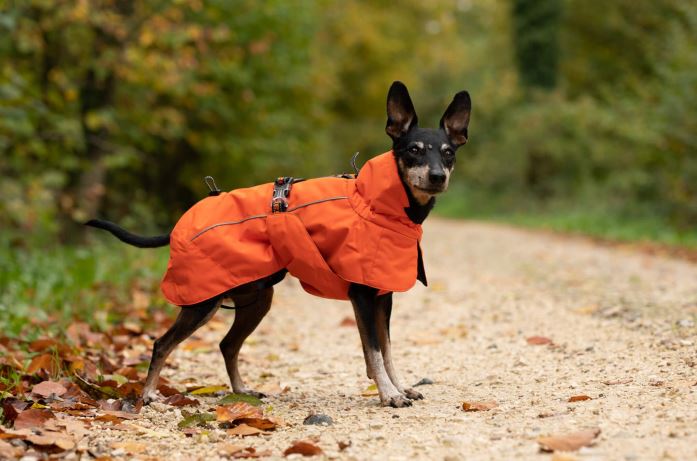
When it's pouring outside, a raincoat is extremely handy even for a quick walk. The fur gets less wet and dries faster at home. Your dog brings less dirt back into the house after the walk, and you save time cleaning up. On a longer walk or a hike, your dog stays drier and you reduce the risk of catching a chill.
Raincoat with legs for snow
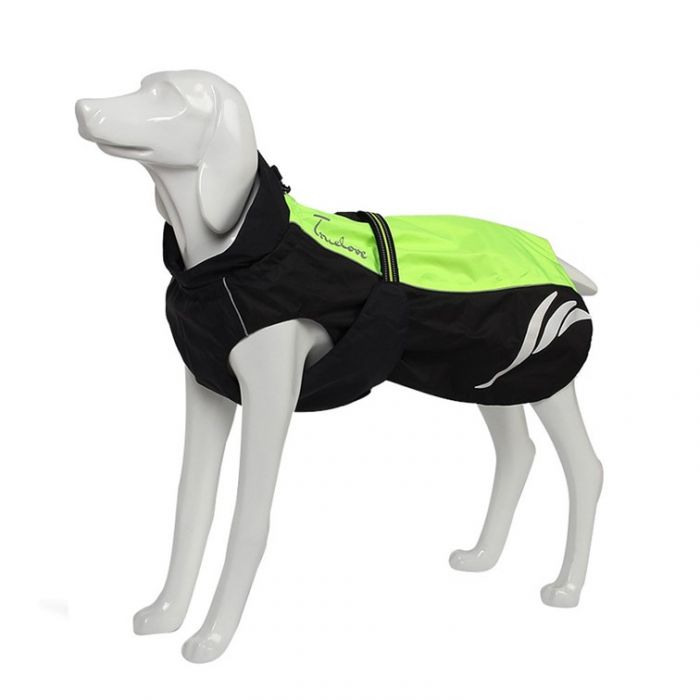
Long-haired dogs often have fine fur in which big snowballs form quickly. These snowballs can restrict your dog's movement and cause pain by pulling on the hair. A raincoat with legs prevents these snowballs from forming and lets your dog move freely and without pain.
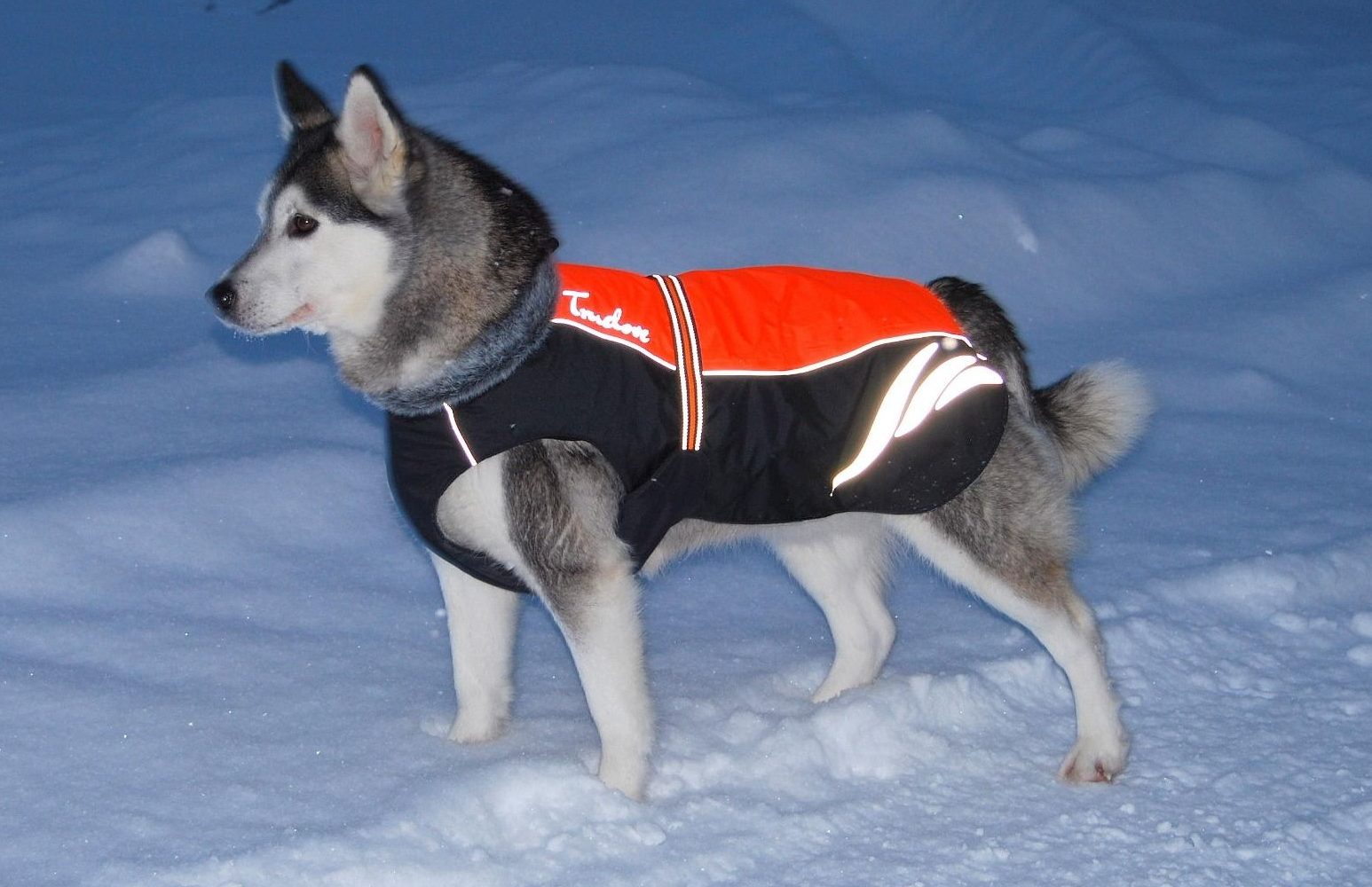
Winter coat
Winter coats are highly recommended above all for breeds that get cold quickly, as well as for older or sick dogs. They keep your dog dry and warm for longer. If a long hike in the snow is coming up, a winter coat is an advantage for any type of dog.
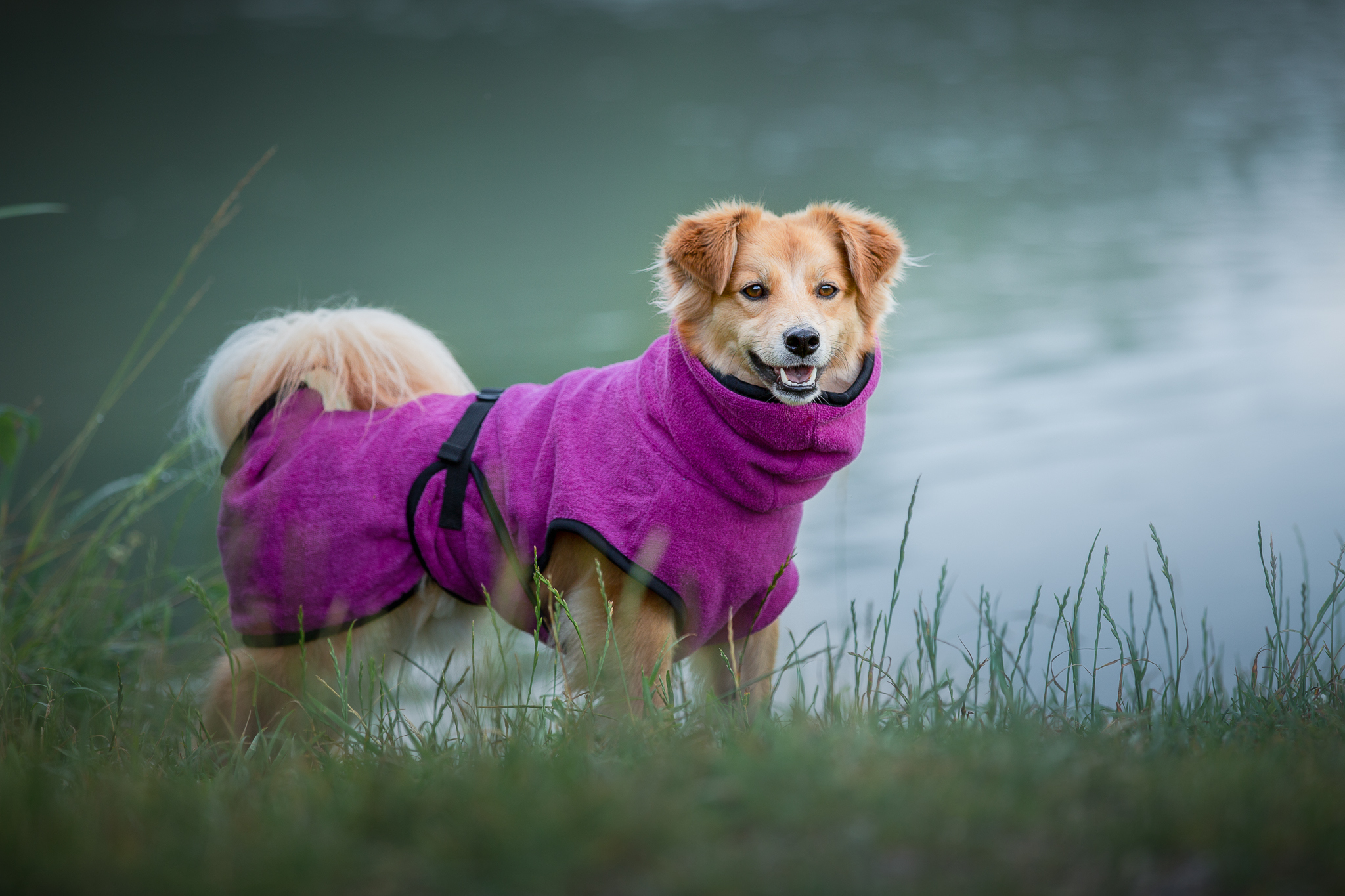
Bathrobe
After a rainy walk, a dog bathrobe made of 100% cotton is highly recommended. Give your dog a rough rub-down with a terry towel, then put the bathrobe on him. He'll be dry again in no time. For four-legged friends with longer fur in particular, a dog bathrobe is very useful for getting the coat completely dry.
Jumper
Jumpers can keep your dog warm for longer on cold days and are useful for breeds that get cold quickly. As soon as it rains or your dog wants to go through the snow, however, they aren't recommended, as they soak up moisture and stop keeping him warm. In that case, a raincoat or winter coat with a water-repellent surface is clearly the better choice.
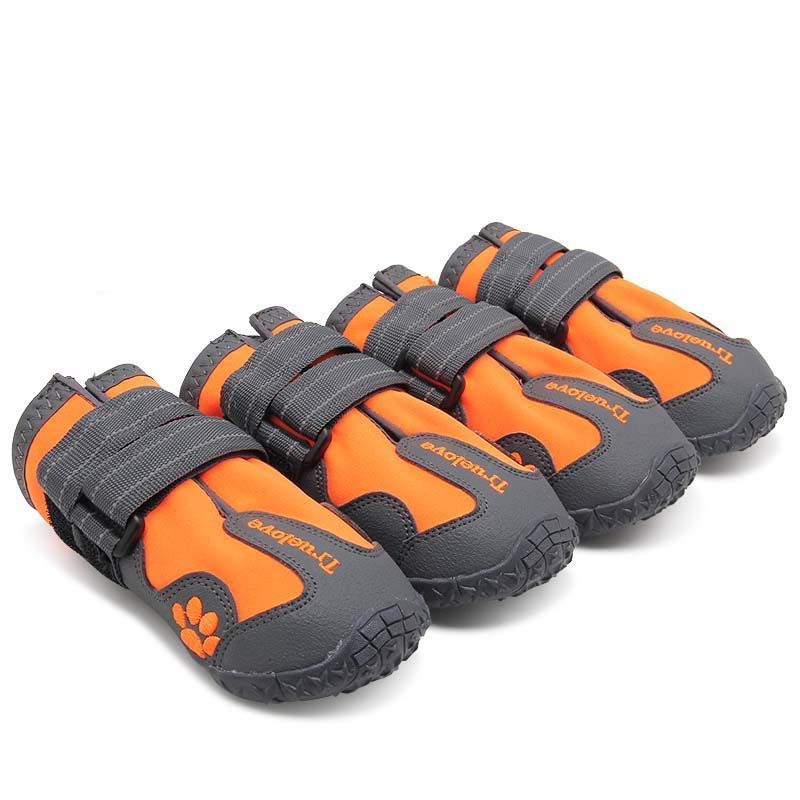
Dog boots
Dog boots are suitable for walks in winter, in summer or if your dog has a paw injury:
- Snow, ice and salted roads can make your dog's paws dry and cracked. The right paw care counteracts this in winter. Dog boots offer additional protection.
- In summer, dog boots protect the paws on stretches of concrete, gravel or asphalt. These surfaces quickly become very hot on sunny, hot days and are hard on sensitive dog paws.
- After a paw injury, a dog boot acts as protection and aids recovery.
You can find more on paw care in winter here.
How do I find the right fit and size?
The fit and size of the dog coat are crucial for your dog's comfort. A well-fitting coat should meet the following criteria:
- No rubbing: The coat must not rub, to avoid skin irritation and discomfort.
- Not too tight: A coat that's too tight restricts movement and can cause pressure sores.
- Freedom of movement: Your dog must be able to move freely. A good coat lets him run, jump and play without restricting him.
Coats and boots are sometimes cut very differently and therefore fit differently well. When buying, make sure you know your dog's exact measurements or try the clothing on beforehand. When ordering from the online shop, advice by email or phone can be very helpful. That way you make sure your dog is happy wearing the clothing and feels comfortable, and you're less likely to have to exchange anything.
Conclusion: dog coat, useful or pointless?
A dog coat is more than just a fashion accessory. Especially in the cold season, in wet weather or when there are health problems, it can be a useful support for your four-legged friend.