The world of dog food is wonderfully varied: crunchy dry food, juicy wet food, tailored diet foods and the wild world of BARF feeding. The right choice usually depends on your four-legged friend's age, activity level, health and taste preferences. This guide explains the most important food types, manufacturing methods and terms.
What types of dog food are there?
Dry dog food
Dry food is not only convenient and easy to store, but also comes in a wide range of flavours, from hearty beef to tender poultry. Be wary of unnecessary additives, though. The low moisture content can also put a strain on the kidneys, especially in dogs that don't drink much. Plenty of fresh water is therefore essential.
Wet dog food
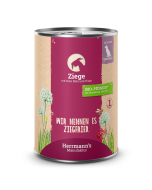
Wet food, whether in a can, a carton or a pouch, is particularly well suited to dogs with dental problems, for example, or as an alternative to BARF. Look for clearly named meat sources and avoid vague terms such as "animal by-products". Quality ingredients support your dog's health.

Diet food for dogs
Some dogs need special diet food because of allergies or health problems. These foods are often more expensive and, like other dry foods, can contain artificial additives.
BARF
The BARF feeding concept is based on raw meat, bones, offal, vegetables and fruit for a natural diet for your dog. Many people value the benefits, such as improved dental health and a stronger immune system. Preparation may seem time-consuming at first, but it gets easier with experience, and your dog's health benefits. You can find out more in our BARF series.
Dry BARF
Dry BARF combines the freshness of BARF with the simplicity of dry food. It's ideal for stress-free holidays and easy portioning. However, the manufacturing process may mean that some of the nutritional benefits of fresh raw ingredients are lost.
Extruded or cold-pressed: what's the difference?
Extruded and cold-pressed dog food differ in how they are made, and each has its own advantages and disadvantages for your dog's nutrition.
Extruded dog food
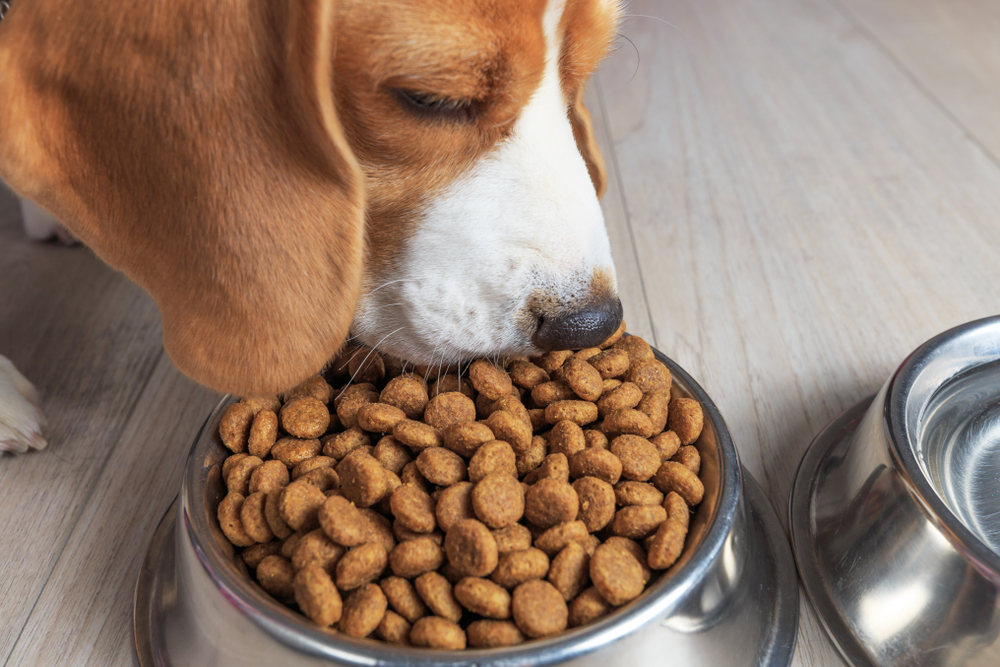
Extruded dog food is shaped using heat and pressure, which improves the digestibility and bioavailability of the nutrients. Because it is denser, your dog needs less of this food to feel full. Its popularity comes not only from its long shelf life, but also from the wide range of flavours available. However, the high temperatures can destroy some sensitive and important nutrients, which then have to be added back during production.
Cold-pressed dog food
In contrast, cold-pressed dog food is made at low temperatures of 40 to 70 °C to preserve the nutrients. It is gentler and works well for dogs with digestive problems, as it contains no artificial additives and is easier to digest than extruded food. This process can help intensify the flavour while preserving the natural aromas of the ingredients, which can be particularly appealing to fussy dogs. Because of the gentle manufacturing process, however, cold-pressed dog food can be more expensive than conventional options.
Both methods have their pros and cons. The choice between them depends on your dog's individual needs. So make sure the food you choose meets your dog's specific nutritional requirements.
What do monoprotein, grain-free and hypoallergenic mean?
More and more dogs suffer from allergies, whether to proteins or to grains. The pet food industry has continued to evolve, and today there is a wide range of products developed specifically for dogs prone to allergies.
Monoprotein dog food
Many conventional foods contain several protein sources. Monoprotein food, on the other hand, focuses on a single animal protein source, which makes it a good choice for dogs with allergies. This targeted approach not only minimises allergic reactions, but also makes it easier to identify possible triggers, so you can ensure a diet tailored to your dog.
Grain-free dog food
Grain-free dog food goes one step further to help prevent digestive problems and offers a low-carbohydrate option. Instead of maize, wheat or rice, it usually uses other carbohydrates such as potatoes or sweet potatoes.
Hypoallergenic dog food
Food is described as hypoallergenic when the proteins are broken down so far that the immune system no longer recognises them. This processing means that even dogs with sensitive stomachs or allergies can enjoy a tasty food they tolerate well.

How do you find the right food?
Whether dry food, wet food, diet food or BARF: the right choice depends on your dog's age, activity level, health and preferences. Look for clearly named meat sources, as few additives as possible and enough moisture. If your dog has allergies or intolerances, monoprotein, grain-free or hypoallergenic foods can help.