
As soon as it gets warmer outside, tick season begins, for dogs and cats alike, even for indoor-only cats. Here you'll find out where ticks lurk, how to remove them properly and how to protect your pet with herbal remedies, spot-ons and collars.
When and where do ticks lurk?
After the cold winter months, you and your four-legged friend are drawn outdoors into the countryside more often. But you're not the only ones out and about: once temperatures rise above 8 degrees, ticks also wake from their winter dormancy. The first ticks can usually be spotted from March, tick activity is generally at its highest in May and June, and it declines again towards autumn. Ticks stay active until the first frost arrives. Protection should therefore begin in puppyhood and continue until then.
Ticks don't fall from trees
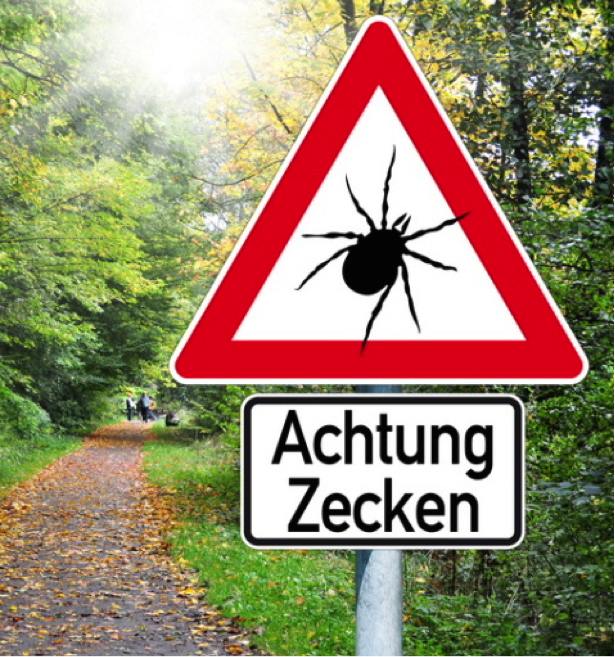
Ticks are mostly found in damp spots in deciduous and mixed woodland with undergrowth, along densely overgrown woodland edges, in forest clearings and on forest paths, as well as in hedges and tall grass. They usually sit on low plants up to 1.5 m high and wait to attach themselves to a passing host. Popular hosts include hedgehogs, mice and birds, but also humans, dogs and cats.
Which ticks are found in Switzerland and which diseases do they transmit?
Behind their inconspicuous appearance, ticks can carry potentially fatal diseases such as Lyme borreliosis, TBE (tick-borne encephalitis), ehrlichiosis and babesiosis. Some ticks transmit pathogens.
The most widespread species in Switzerland is the common sheep tick (Ixodes ricinus). Unlike in humans, who are bitten by it, Lyme borreliosis is the most common disease in dogs. The ornate dog tick and the brown dog tick can also be found. The latter even feels at home indoors and can transmit dangerous diseases such as ehrlichiosis, anaplasmosis and babesiosis.
The Hyalomma tick is an exotic species and a rare sighting in Switzerland. With its hunting instincts and a size of up to five times that of a sheep tick, it poses a further danger.
How do you remove a tick properly?
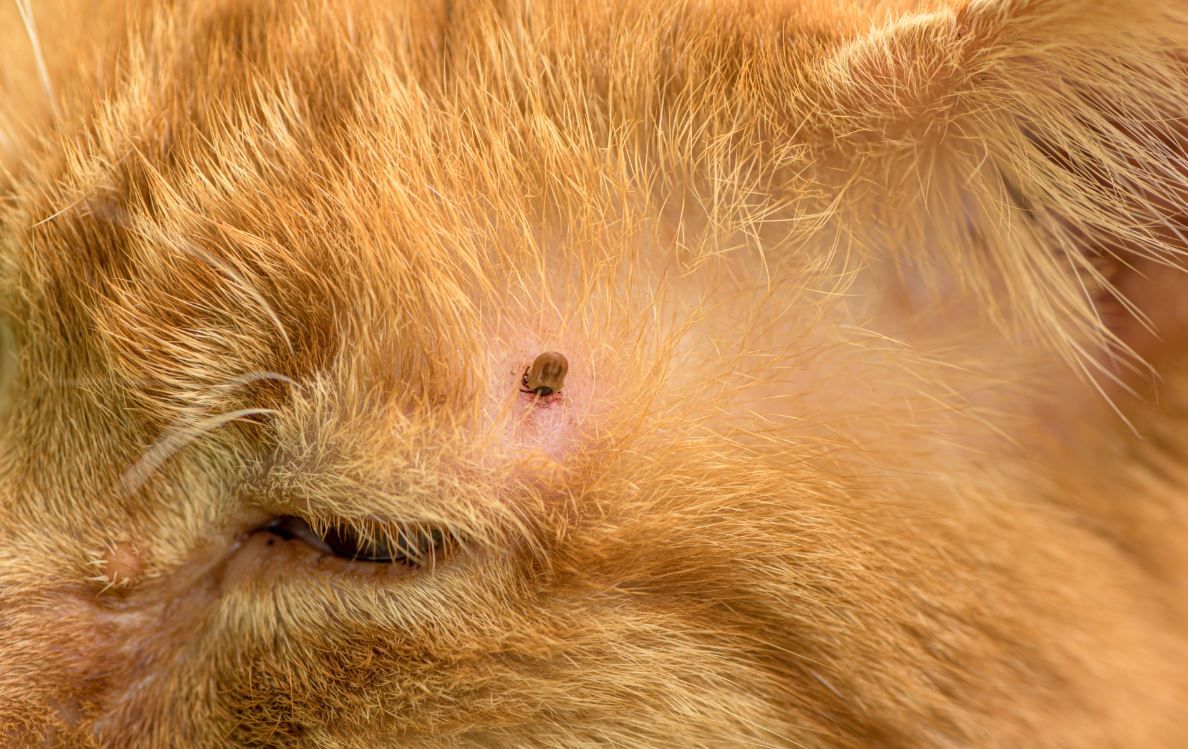
A tick vaccination offers good protection, but it can't protect against every disease ticks transmit. That's why it's important to check yourself and your dog's coat regularly after a walk, and your cat's coat too if she is an outdoor cat, and to remove any attached ticks straight away with tick tweezers or a tick card. The tick should be pulled out, not twisted out. Afterwards, we recommend keeping an eye on the bite site over the following weeks.

How do you protect your dog from ticks?
There is no 100 % protection, but various measures can reduce the risk of a bite. We recommend wearing long sleeves and long trousers so that ticks have less surface to attack. Light-coloured clothing also makes it easier to spot the little bloodsuckers.
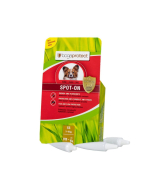
For dogs, there are so-called spot-on products that offer effective tick protection. The highly effective active ingredients are applied between your pet's shoulder blades and then spread over the entire body on their own. Spot-ons not only prevent ticks from attaching to your four-legged friend, but also make them drop off before they can transmit diseases.

Herbal prevention for dogs
If you want to protect your dog from ticks preventively but avoid chemical substances, there is a wide range of products to choose from. These are mostly plant-based, available without a prescription and generally suitable for all age groups. However, there is no guarantee that every product will work equally well for every animal. The following remedies are available:
- Oils: Massaged into the skin, brushed through the coat or given orally, black cumin oil supports the skin metabolism. It slightly changes the skin's scent so that your dog becomes uninteresting to ticks and other pests. Coconut oil also helps to repel ticks. Depending on your pet's size, rub a pea- to hazelnut-sized amount of coconut oil between your hands and stroke it over the coat. Black cumin oil is only suitable for dogs, not for cats (see below).
- Feed supplements: Cistus (Cistus incanus) is given with food. Puppies from the age of four months tolerate it well too. Among its many other benefits, cistus supports your dog's immune system and helps create an environment ticks dislike by naturally changing the scent of the coat. The herbs and brewer's yeast in InsektoVet herbal, especially the wide range of natural B vitamins, support the skin metabolism through nutrition and so contribute to a positive development of the skin environment and skin scent. This can have a deterrent effect on ticks and other ectoparasites.
- Spray: Scented oil sprays for external use, massaged in once or twice a day, use essential oils to build an impenetrable barrier on your pet's coat without overtaxing your dog's sense of smell.
- Spot-on: Herbal spot-ons with a repellent effect make sure that pests such as ticks or fleas are less keen to get onto your pet.
You'll find an overview of all herbal tick repellents in the Parasites and Tick Treatments category.
No guarantee
Black cumin oil, cistus, herbal extracts and essential oils offer natural protection, but no guarantee. Checking your dog regularly after walks is just as important as removing attached ticks immediately. If you want absolute certainty, ask your vet for advice on tick prevention.
How do you protect your cat from ticks?
Ticks aren't only a problem for dogs: cats, even indoor-only cats, can be affected too. While there are numerous tick treatments for dogs, the choice for cats is much more limited.
Why are there fewer tick treatments for cats?
Many tick treatments for dogs contain essential oils or certain active ingredients that cats cannot break down. Their metabolism is unable to process terpenes and other components of these oils. This can lead to poisoning, liver damage or severe digestive problems. Particularly dangerous for cats are:
- Black cumin oil
- Tea tree oil
- Pennyroyal oil
- Many essential oils in high concentrations
Because cats can't tolerate these substances, the choice of safe tick protection for them is limited. Even so, there are some proven alternatives that are both effective and harmless for your cat.
Natural tick protection for cats
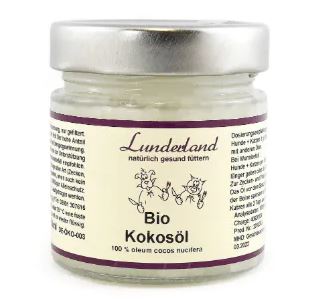
1. Coconut oil as a natural repellent. Coconut oil is a safe and natural way to keep ticks away from your cat. It contains lauric acid, which repels ticks and reduces the risk of infestation. You can mix a small amount of coconut oil into the food or gently massage it into your cat's coat. It also makes the coat silky and cares for the skin.
2. Cistus strengthens the immune system and repels ticks. Cistus herb (Cistus incanus) is commonly used as a natural tick repellent. It slightly alters your cat's body scent so that ticks are less attracted. Around 0.5 to 1 gram of dried cistus herb can be mixed into the food. Alternatively, there is also cistus tea, which can be poured over the food in small amounts.
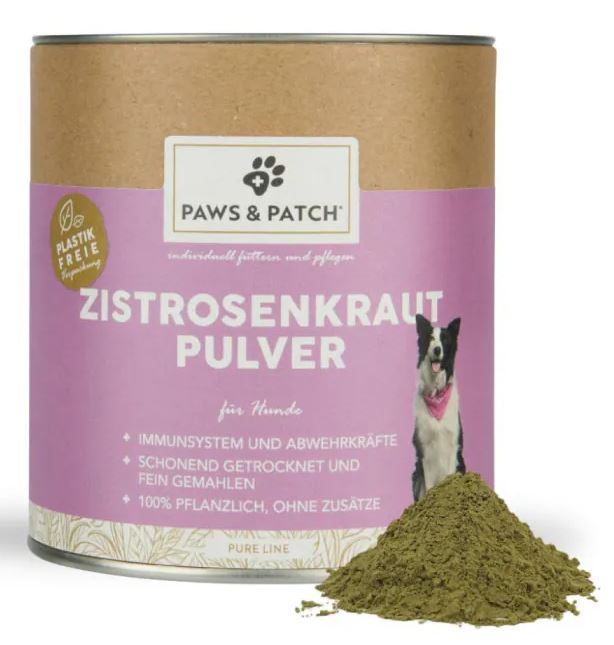
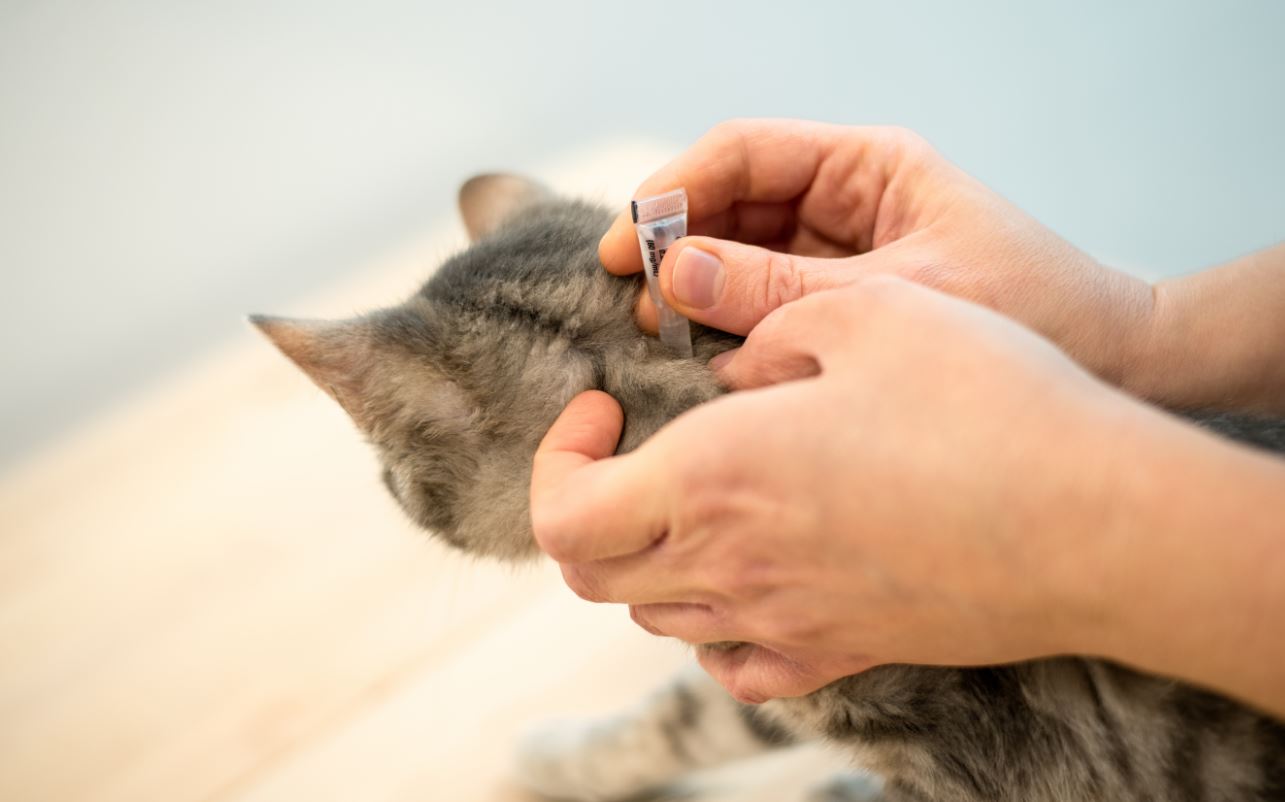
3. Spot-ons made specifically for cats. There are a few spot-on products that are approved for cats and offer effective tick protection. They contain special active ingredients that are safe for cats. The drops are applied directly to the skin at the back of the neck and protect for several weeks. Only use products that have been expressly developed for cats.
4. Tick collars as practical protection for outdoor cats. Tick collars contain active ingredients that keep ticks away and are designed specifically for cats. The collars open quickly should your cat get stuck somewhere. The collar is fitted snugly around the cat's neck so that it rests against the skin without being too tight. Depending on the manufacturer, it protects for several weeks to months. Make sure you choose a collar that is expressly suitable for cats, as some collars designed for dogs can be toxic to cats.
Why indoor cats need tick protection too
Many cat owners believe that indoor-only cats are not at risk. But ticks can also get into the home via people or other animals. A short trip onto the balcony or into the garden can be enough to pick up ticks. It can therefore make sense to give indoor cats gentle tick protection as well.
Conclusion: what matters most for tick protection?
Ticks are not only annoying but can also transmit diseases. Checking for them and removing them quickly should always be part of your routine. For dogs, a combination of spot-ons or herbal remedies offers good protection. Because many conventional tick treatments are dangerous for cats, it's important to turn to safe alternatives for them, such as coconut oil, cistus herb or special spot-ons. That way you protect your pet from ticks in a natural and safe way.
Image credits: Shutterstock, petcenter.ch, gemeinde.bozen.it