We're often asked what you need to buy for a new puppy. What makes sense? What should you think about? This checklist helps you put together the most important items so your puppy feels right at home from day one.
What do you need for out and about: harness, collar and lead?
It's best to start with a collar and harness (including a lead) that can "grow with" your puppy. We recommend inexpensive nylon products, as you will certainly need more than one during your puppy's first few months. Once your dog is fully grown, you're welcome to choose more expensive products. A light-up collar or a high-visibility vest also makes sure your four-legged friend is easy to see in fog, rain and darkness.
For trips by car, car crates are practical. A blanket adds extra comfort. If you're heading to the lake or off on a lovely hike, a travel bowl is an absolute must.
Which food and bowls are suitable for puppies?
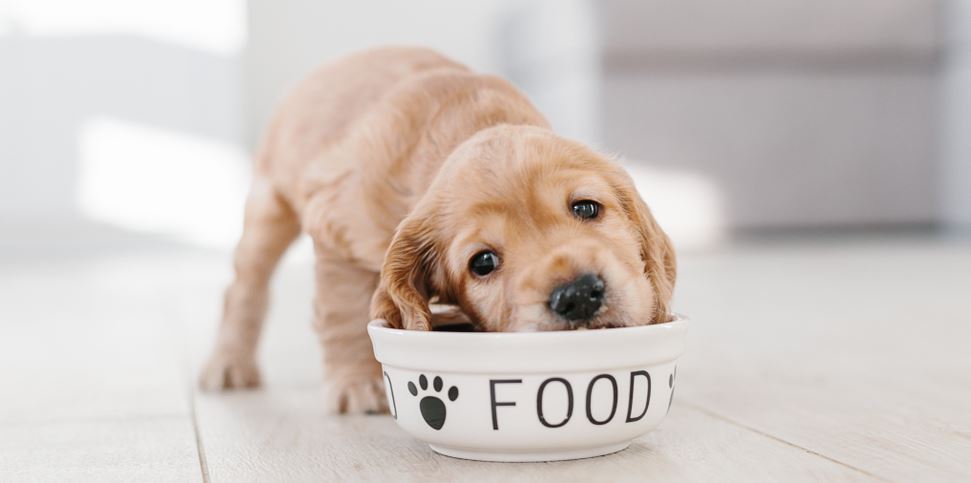
Here's what you need for your puppy's meals, drinks and snacks:
- Food and water bowl: Stainless steel bowls are the best choice at the beginning. Plastic bowls tend to get chewed.
- Food: If possible, start with the puppy food from the breeder. Only consider switching once your puppy has settled into their new home. Ask for advice if you need help finding the right dog food. If you'd like to feed your dog BARF, nutritional advice is also a good idea.
- Chews, for example tripe sticks, chew roots or chicken necks
- Treats: Small, soft treats work well, as your dog doesn't have to chew them for long, for example LECKY Klein & Fein or liver sausage.
Which toys make sense for puppies?
- Stuffable Kong: Fill the Kong with wet food or a banana and cottage cheese mixture and put it in the freezer. Frozen, it keeps your dog happily occupied.
- Assorted toys:
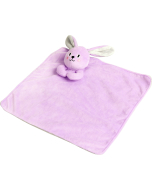
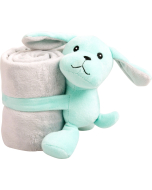
- Soft toys: We recommend specially made "dog soft toys". Ordinary children's soft toys often have glass eyes and plastic noses that your dog could easily swallow. Be prepared for the plush toys not to stay in one piece for long, especially with boisterous puppies who love to let off steam on them.
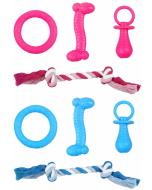
- Rubber toys
- Puzzle toys
- Treat balls
- Toys without squeakers
What makes your home cosy for a puppy?
So that your puppy feels comfortable and secure with you from day one, there are a few more things to get:
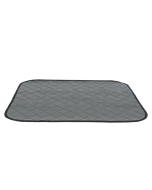
- Dog bed: We recommend a cheaper option at first, as puppies love to nibble on them.
- Plastic crate or foldable crate for at home. This gives your dog a perfect retreat, including at night, which makes house training less stressful.
- Possibly a stair gate, for example for stairs
Which hygiene and grooming items do you need?
- Brush
- Shampoo
- Tick remover: A must during tick season.
- Tick protection, for example coconut oil or cdVet Insektovet, both natural-based
- Possibly nail clippers
- Possibly grooming wipes for the eyes (tear stain remover) and ears
- Possibly a dog bathrobe and a towel for after showering or bathing your dog
- Poo bags
- Lint roller for your clothes
- Cleaning products: So that small accidents in the home can be cleaned up properly. These special cleaners neutralise all odours and are not harmful to dogs.
What do you need for training your dog?
When it comes to training your dog, there are a few items that are useful right from the start. The best way to find out which training method suits you and your dog is to talk to a good dog trainer.
- Long line
- Clicker
- Whistle
- Food pouch
- Treat bag, to take treats with you. Alternatively, a dog-walking vest is another option. It has room for everything you need, such as lead, poo bags, toys, treats, clicker and food pouch.
- Possibly a muzzle: Getting your dog used to one early can pay off later, as some countries require muzzles in public. A muzzle can also be useful in other situations, for example at the vet.
What if you lead a very active life?
If you'll be out and about a lot, your puppy usually can't keep up with the distance. We've had good experiences with a bike trailer for dogs with a "jogging conversion kit". This way you can take your puppy along on longer outings too. A dog backpack works as an alternative as well.

What do you need to sort out before your puppy moves in?
Besides buying all sorts of things, there are also a few things to clarify before you're ready for a puppy:
- Check with the property owner or your landlord or landlady whether keeping a dog is allowed, and get this confirmed in writing. Depending on your canton of residence, there are different breed lists you need to be aware of.
- Read up on puppy care online and in books.
- Look for a suitable puppy class early and sign your dog up.
- Find a vet practice for follow-up vaccinations or in case your dog ever has a health problem.
- About 2 weeks before moving day, take a blanket or towel to the breeder so you can take it with you when your puppy comes home. This way your puppy has a familiar scent with them, which will be a huge help while settling in.
- Register your first dog with your municipality.
- Buy things like the dog harness and dog bed in good time and in the size for the fully grown dog, as depending on the breed, a dog can be almost fully grown at just six months.
You can read about what the first weeks with your puppy look like and which questions to ask yourself before getting one in the article "The Puppy Moves In". Find out more about how puppies develop under Puppy development. Enjoy your new puppy!