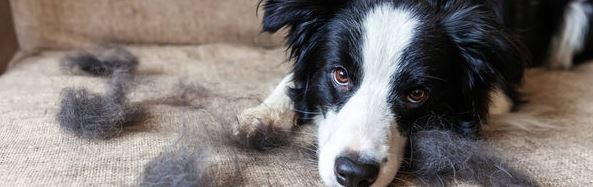
Sound familiar? As soon as it gets colder outside and the heating is running at full blast, you suddenly find small white flakes in your favourite pet's coat. Dandruff in dogs and cats in winter is not unusual and is usually harmless, as long as you know how to react properly.
In this article you'll find out why dry skin is so common in pets during winter and what you can do about it with simple measures like salmon oil, humidifiers and good coat care.
Why do dogs and cats get dandruff in winter?
The main reason is quickly explained: central heating air draws moisture out of the skin. That affects us just as much as our pets. The skin dries out, which causes tightness, itching and small flakes of skin. You'll often notice it when brushing, especially around the back and neck.
Other possible causes:
- Dry indoor air from heating
- Bathing too often with unsuitable shampoos
- A lack of omega-3 and omega-6 fatty acids
- Winter coat change
- Stress or boredom
How can you tell if the skin is dry?
A few flakes are not an emergency. However, you should pay attention if you notice any of the following:
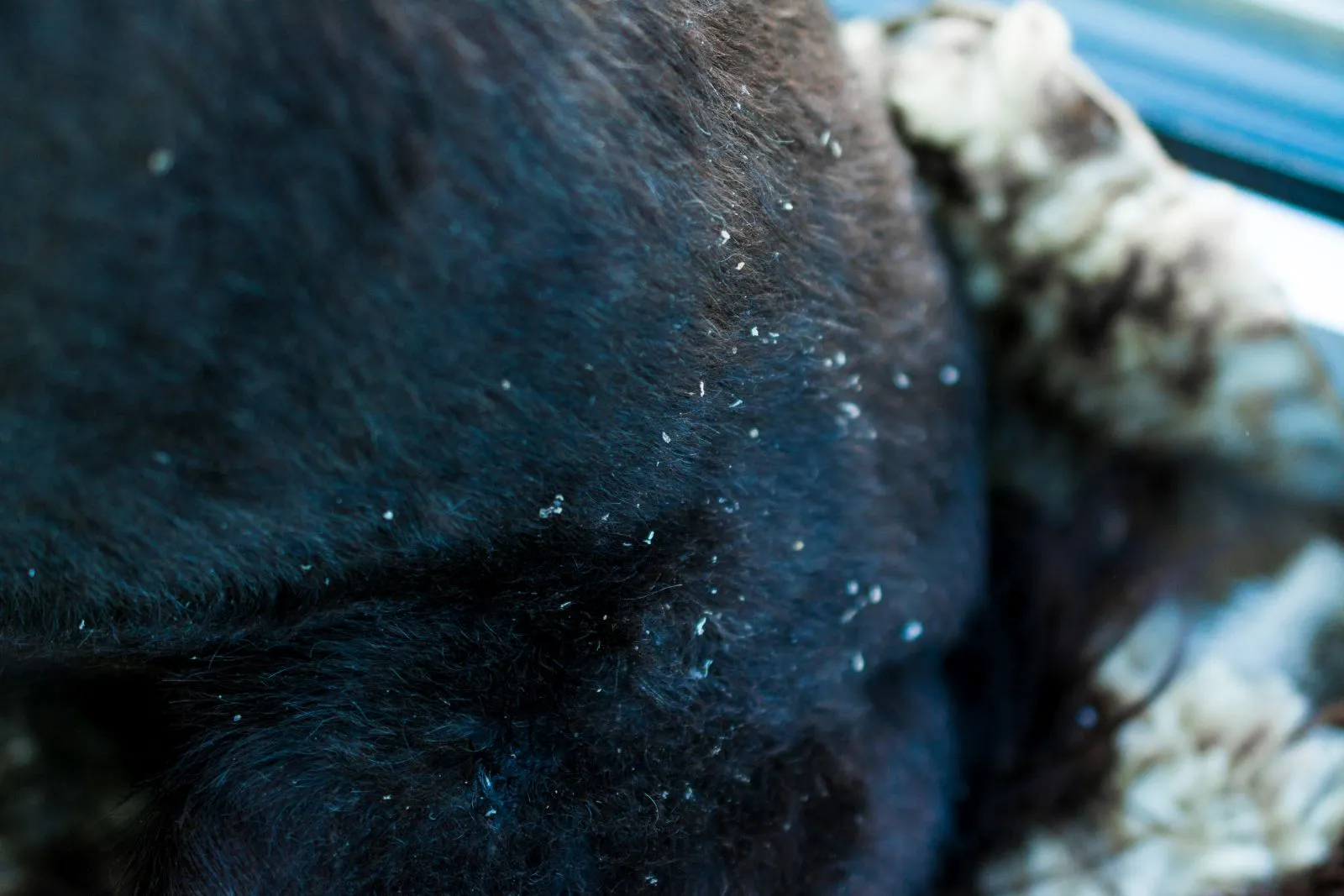
- White flakes in the coat (especially on the back)
- Frequent scratching, licking or rubbing
- Dull or lacklustre coat
- Irritated, reddened patches of skin
Important: If the itching is severe, bald patches appear or the skin looks inflamed, please have it checked by a vet without delay. Parasites, fungi or allergies could also be behind it.
What helps against dandruff in dogs and cats?
The good news: small changes to your daily routine can usually achieve a lot. Here are the best tips for dandruff-free winter days.
1. Food oil for healthy skin from the inside
Oils such as salmon oil, hemp oil or linseed oil are rich in omega-3 fatty acids and support skin regeneration. Simply add them to the food every day. Most pets love the taste.
Salmon oil is particularly popular and contains valuable EPA and DHA, which have an anti-inflammatory effect and make the coat shine.
2. Increase the humidity
Dry heating air is often the main cause. Use a humidifier or put a bowl of water on the radiator. Ideal room humidity is 40 to 60%.
3. Gentle coat care
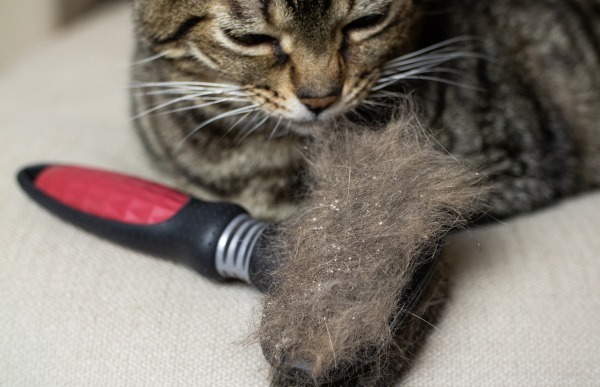
Regular brushing removes loose flakes of skin and stimulates circulation. Choose soft brushes and avoid frequent bathing in winter where possible. If necessary, use only mild, pet-friendly shampoos without perfume.
4. Good food, strong skin
A high-quality diet with enough zinc, biotin and vitamin E strengthens the skin barrier and makes the coat more resilient. If needed, a targeted complementary feed can be useful.
Conclusion: winter dandruff is usually harmless and easy to treat
Dry heating air, a lack of fatty acids or too little grooming can quickly lead to skin problems in winter. With a little attention, the right oil in the food and better humidity, the problem is usually solved quickly.
Salmon oil, gentle grooming and a balanced diet are simple but effective helpers so that your four-legged friend feels completely comfortable in their own skin, even in winter. You'll find more about coat care in autumn in the article Coat change in dogs and cats.
Image credits: zooplus