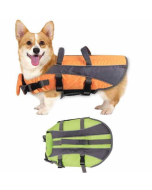
Many dogs love water, especially in warm weather. To keep your swimming trip relaxed for you and your four-legged friend, here are the most important rules, tips for getting him used to water and an overview of the dangers on and in the water.
Can my dog swim in the lake?
Not every lake, river or beach is automatically open to dogs, often to protect wildlife. At many public swimming spots dogs are banned, especially in busy areas. However, there are often designated dog zones or quieter stretches of shore where your four-legged friend is welcome. So find out about the local regulations in advance and respect any dog bans.
Even at waters without a dog ban, you should be considerate of other people and animals. People who are afraid of dogs won't enjoy it if your dog jumps into the lake or swimming pond just a few centimetres away from them. Also make sure your dog doesn't chase ducks or other animals or raid their nests.
How do you get your dog used to water?
Swimming is instinctive, and in theory all dogs can do it. That doesn't mean they actually want to swim, though. While some dogs leap straight in, others need a little time. Never force your dog into the water, as this only increases his fear. Take it slowly and let him discover the water at his own pace.
Shallow areas near the shore are ideal for first experiences. You can motivate your dog through play, for example with a toy or by going into the water yourself. Fishing for treats in the shallows, paddling together or playing with a sling ball are fun too. If your dog prefers to splash around in the shallow water near the shore, that's perfectly fine. Positive experiences help him build trust and learn to enjoy swimming in the long run. To prepare him better for swimming time, you can also set up a dog paddling pool at home.
How do you get to the water safely with your dog?
The journey is already part of the trip. A pet carrier gives your four-legged friend optimum safety, and grille sets ensure good ventilation and a clear view through the rear window. Alternatively, a seat belt connector or a car safety harness makes sure your dog can't jump into the steering wheel while you're driving.
What can you do with your dog by the water?
By a river or lake you have plenty of ways to keep your furry friend busy. Retrieving-mad ‘water dogs’ will happily fish out floating toys or the tried-and-tested stick. Playing frisbee, throwing balls, digging water channels or taking short dives are activities most dogs love to join in.

What dangers are there on the shore?
At bodies of water you may come across broken glass, sharp objects or rubbish. Even where dogs are allowed, you should check carefully beforehand whether your playing dog could step on glass or similar.
Also make sure the water has a way out before your dog jumps in with joy. Otherwise he won't be able to get out on his own.
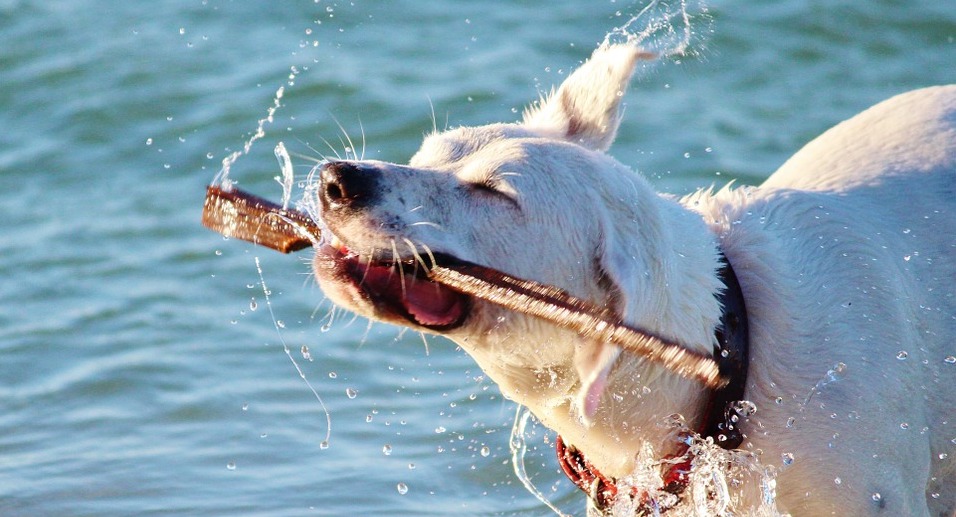
What dangers lurk in the water?
- In small bodies of water such as ponds, pools and puddles, leptospirosis bacteria can occur. Dogs can be vaccinated against it, but the vaccination does not offer one hundred per cent protection. Possible symptoms include fever, lethargy, vomiting, diarrhoea, refusing food, back pain, yellowing of the mucous membranes, coughing or difficulty breathing. The disease can be life-threatening and must be treated by a vet. So don't let your dog drink from pools or puddles.
- Drinking standing water can also be a problem. Make sure your dog always has fresh drinking water available. Also watch out for poor water quality and blue-green algae.
- In a lake or river, dogs can get tangled up in water weeds. Even a good swimmer can panic and be pulled under. So look for an entry point where your dog can't get caught.
- Where there are currents or suddenly deep spots, check the jumping-in point: the water there must be deep enough.
- For weak swimmers or puppies, we recommend guiding the dog in the water on a long Biothane lead. That way you can quickly and easily pull him out of the water if he's too exhausted to keep swimming.
- Make sure your water baby takes breaks. Swimming is extremely tiring and demanding for a dog.
- Never let your dog into the water if there is a swimming ban. Bans can apply if, for example, the lake has turned in midsummer, the current is too strong or dangerous jellyfish are lurking in the sea.
- At the seaside you should keep an eye on the tides and the beach warning flags. When the red flag is flying for a total swimming ban, your dog shouldn't go into the water either, even if he's a good swimmer. He usually has no chance against treacherous currents either. Don't play at the water's edge when the red flag is up, either: it's all too easy for the ball to be thrown a bit too far or to land in the sea. When the yellow flag is flying for restricted swimming, you should realistically assess your dog's swimming ability as well as his stamina and fitness.

Does your dog need a life jacket?
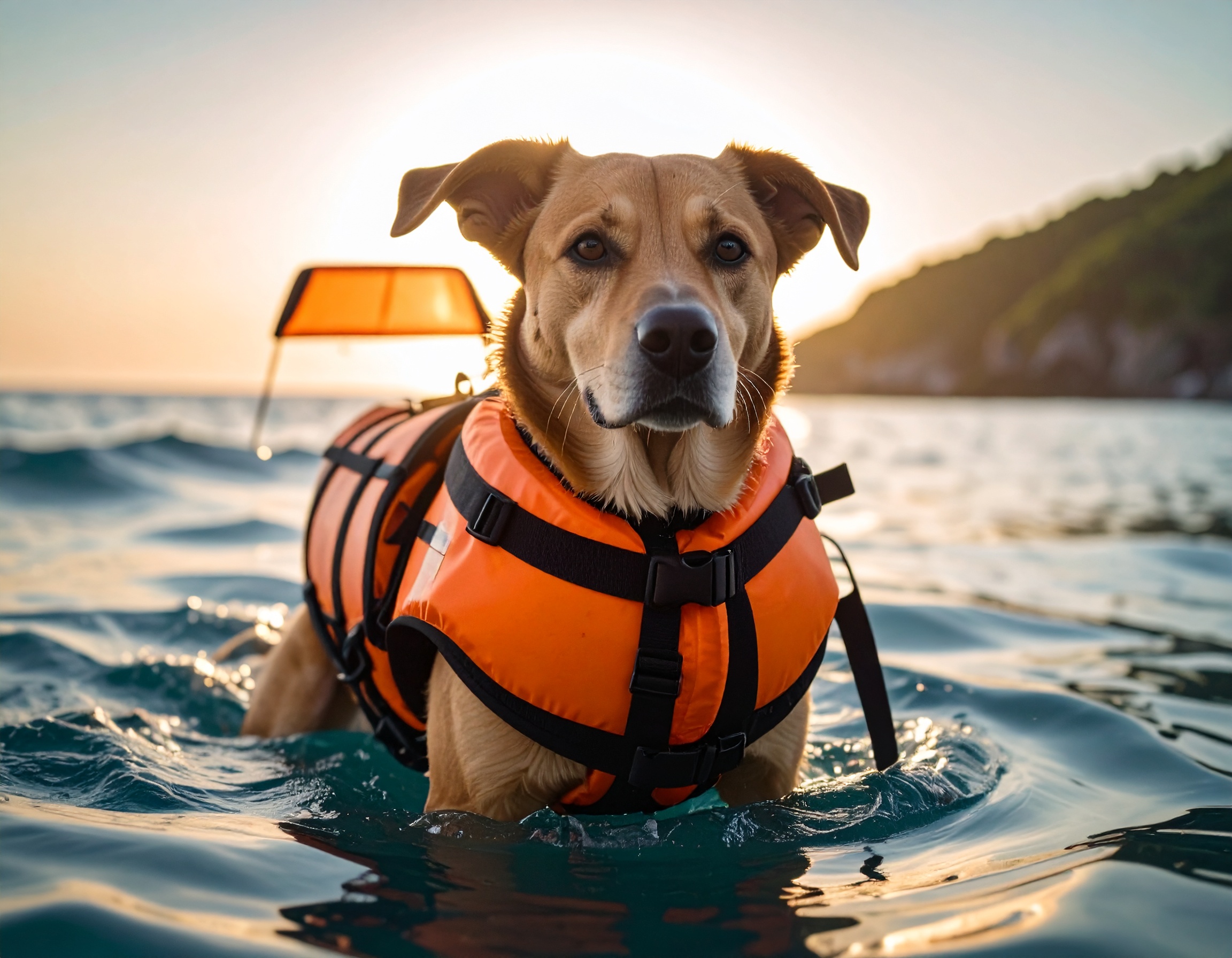
‘My dog is a great swimmer, he doesn't need a life jacket!’ You hear this a lot. But even experienced swimmers, whether human or dog, can find themselves in unexpected situations: sudden currents, muscle cramps or exhaustion quickly become dangerous. A life jacket is therefore not a luxury but a sensible investment in your dog's safety. It is especially recommended on a boat trip, when stand-up paddleboarding or if your dog can get in and out of the water on his own.
What are the benefits of a dog life jacket?
- Buoyancy and stability: It keeps your dog afloat, supports a stable swimming position and reduces fatigue, especially during longer swims or in water with currents.
- Visibility: Bright colours and reflective elements make sure your dog is easy to see even in poor light.
- Safety on boat trips: On a boat or stand-up paddleboard, a life jacket is a must so you can rescue your dog quickly in an emergency.
- Support for older or ill dogs: It makes swimming easier and reduces the strain on joints and spine.
Which life jacket suits your dog?
There is no single ‘best’ life jacket, because the ideal one always depends on the individual dog. Build, weight and size play a decisive role.
For very small dogs (e.g. Chihuahuas), the life jackets from Non-Stop are particularly suitable, as they are available in especially small sizes and impress with their light, not-too-bulky design. For medium-sized dogs (e.g. Beagles), all three brands, Helios, Julius-K9 and Non-Stop, offer a suitable selection. For particularly large breeds (e.g. Newfoundlands), we mainly recommend the models from Helios and Julius-K9, as they are also available in very large sizes and offer a sturdy fit.
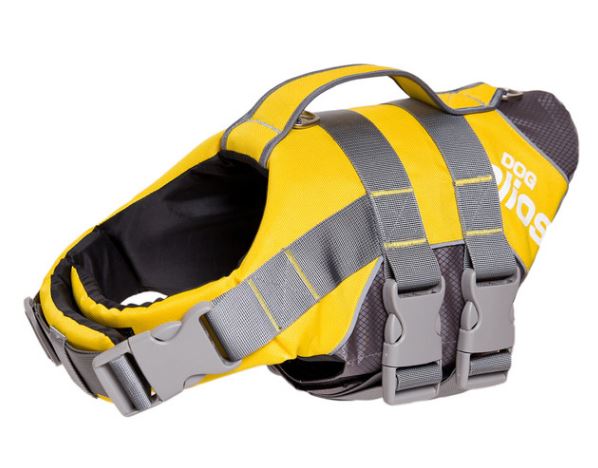
- Helios life jacket: Lightweight, sturdy and with a handy grab handle for quick rescue. Available in three bright colours.
- Julius-K9 IDC life jacket: Versatile and known for its high quality. Two models are available, which you can use as you prefer.
- Non-Stop: Ergonomically designed for optimum wearing comfort and safety. Particularly suited to active dogs that cover longer distances on the water.
How do you protect your dog from heat and sun?
On hot days, dogs pant more than usual. This is how they regulate their body temperature, because unlike humans, dogs have far fewer sweat glands. It's all the more important that your dog can find a shady spot and quench his thirst regularly. If possible, go to the lake early in the morning or in the evening when it's cooler, and watch out for overheating before and after swimming. If your dog swims a lot, give him breaks in between. Water adventures can be tiring too.
What should you do after swimming?
After swimming in the sea, rinse your dog off on the beach or at the latest at home, as some dogs struggle with salt water. This also gets rid of annoying sand. Rinsing off also makes sense after swimming in a pond, pool or lake, so that no slightly musty smell develops in his coat.
Afterwards, dry your dog thoroughly, especially in cooler temperatures, with a towel or a dog bathrobe. Pay special attention to the areas around the ears, under the armpits and on the belly, as fungi and skin problems like to develop there otherwise.
Conclusion: Into the water, but use your head
A swim in the lake is the summer highlight for many dogs. With a little preparation, respect for the rules and a watchful eye, nothing stands in the way of some shared fun.