
Every BARF feeder asks themselves sooner or later: what do I feed my dog on holiday or when travelling, if I have no freezer and can't mix the BARF rations fresh on site? And how do you keep raw food fresh and safe in the heat? Here you'll find alternatives, storage tips and ideas for hot days.
What do I feed on the road if there's no freezer?
Many dog owners mix the BARF components they need, such as meat, offal and fruit, in large batches in advance, portion the mixture into daily servings and freeze them. An alternative is ready-made BARF mixes, which usually only need the necessary supplements added after thawing.
But what do you do if you're driving or flying off on holiday, can't take your mixes with you and can't buy ready-made mixes or the individual food components on site? These ideas will make your trip easier.
High-meat wet food and BARF sausage
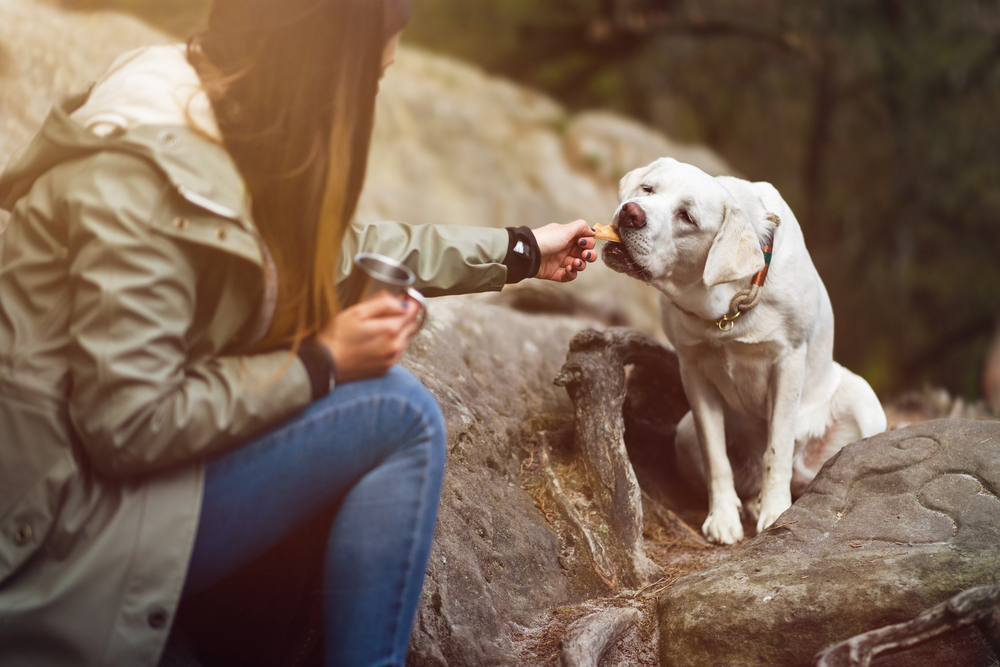
Specialist retailers sell wet food in cans or pouches that consists almost entirely of animal ingredients (muscle meat and offal). You can buy it on site or take it along, for example in your camper van or car. On site, you simply enrich it with fresh fruit, vegetables and the necessary supplements, and you're done.
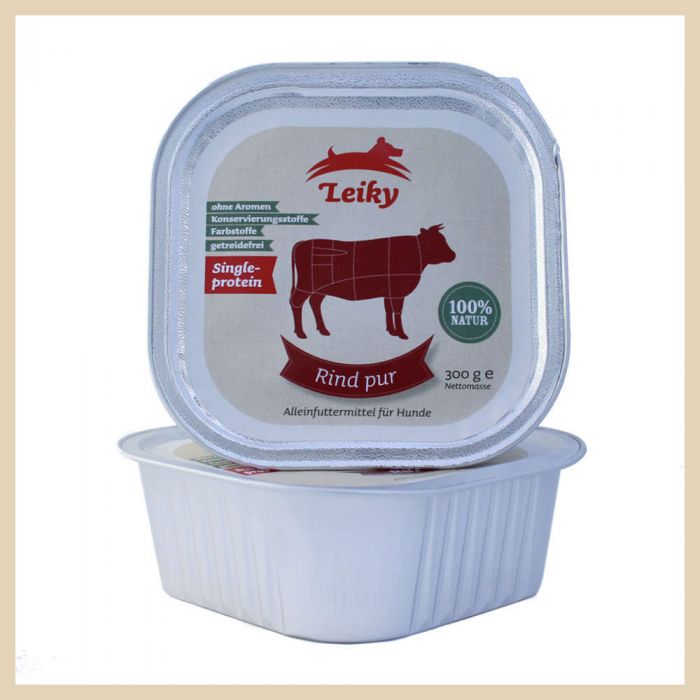
BARF sausages also contain meat, offal and often fruit or vegetables too. With the right supplements and chews, they are ideal for holidays and, in our experience, dogs love them.
To make sure the share of raw meaty bones (RMB) doesn't fall short, take suitable chews such as chicken necks or dried beef gullet with you, or buy them on site and give them now and then as a snack. If you can't buy fresh vegetables or fruit, replace the plant portion for this period with carrot pellets or a vegetable and fruit mix.
Dry BARF and freeze-dried meals
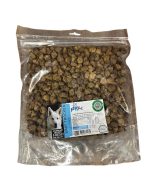
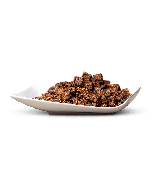
Dry BARF is very practical. The cubes usually contain the whole BARF menu (meat, offal, fruit etc.), so you only need to mix in the necessary supplements. Freeze-dried or vacuum-packed BARF products are also light, space-saving and only need to be mixed with water.
You can feed dry BARF straight away as it is, or let it soak in water first. Please note: 1 kg of dry BARF is equivalent to around 4 kg of fresh BARF. So if your dog eats 600 g of fresh BARF a day, they only need 150 g of dry BARF a day.
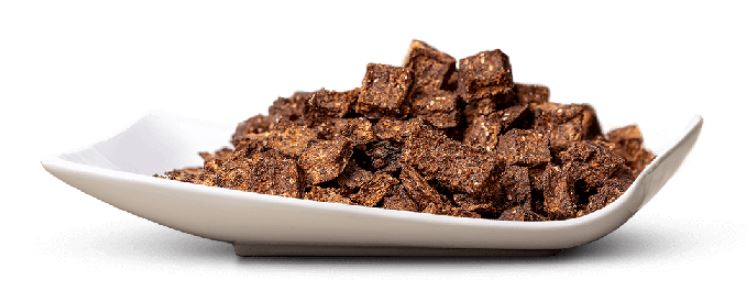
Tip: Try the dry BARF out at home first. In our experience, some dogs turn their noses up at it. If so, test different varieties beforehand or opt for another alternative, so you can set off with peace of mind.
High-quality ready-made food
The simplest option, but with dry food also the furthest from BARF, is to switch to ready-made food for this period. This assumes that your dog tolerates such a change for a relatively short time and that you are comfortable with this type of diet for a short period. Check beforehand which pet shops are near your holiday destination and which foods they stock, or simply take the food with you in your camper van or car.
With dry food in particular, it's worth testing beforehand whether your BARF-fed dog eats it without any problems. In our experience, some BARF-fed dogs refuse dry food, and switching to wet food is usually easier. When choosing ready-made food, look for good quality and a recipe without grain, attractants and the like.
How do you prepare for the trip?
- Calculate the amount of food: Work out how much your dog needs for the length of the trip. Consider whether you have enough space for pre-portioned BARF rations or whether you'll fall back on the alternatives above.
- Don't forget the supplements: Your dog needs all their usual nutrients on the road too. Pack essential supplements such as salmon oil, cod liver oil and seaweed meal to complete the meals. Find out more in our guide BARF supplements.
- Take water with you: Especially when travelling and during outdoor activities, your dog needs plenty of water at all times. Take enough with you and offer it regularly.
Why is BARF tricky in summer?
BARF consists of fresh ingredients such as meat, offal, bones and puréed vegetables, which makes it particularly susceptible to heat. At temperatures above 20 °C, meat already starts to spoil faster. That's not only unappetising, but can also lead to stomach and bowel problems. You can find the basics of BARF in our guide What is BARF?.
How do you store BARF properly in hot weather?
The cold chain is essential in summer. Ideally, you only thaw the daily ration and keep the rest frozen. For the road, the following are suitable:
- cool bags with ice packs
- thermal containers for portions
- pre-frozen BARF cubes, which thaw slowly and stay cool in the process
Always keep meat products cool and make sure bowls and utensils are always clean.
How do you keep the bowl hygienic?
In summer, empty the bowl after 20 to 30 minutes at the latest and clean it thoroughly. Flies are not only annoying, they can also deposit bacteria and eggs, which increases the risk of infection. Use bowl covers with a fly net, or feed at cooler times in the morning and evening when fewer insects are about.

What if your dog refuses food in the heat?
Some animals refuse food in hot weather, especially if it comes straight from the fridge. For fussy eaters, you can:
- warm the food gently in a water bath (don't boil it)
- offer small meat ice cubes made with bone broth as a snack
- switch to more easily digestible types of meat such as poultry or fish
How does your dog get enough fluid in the heat?
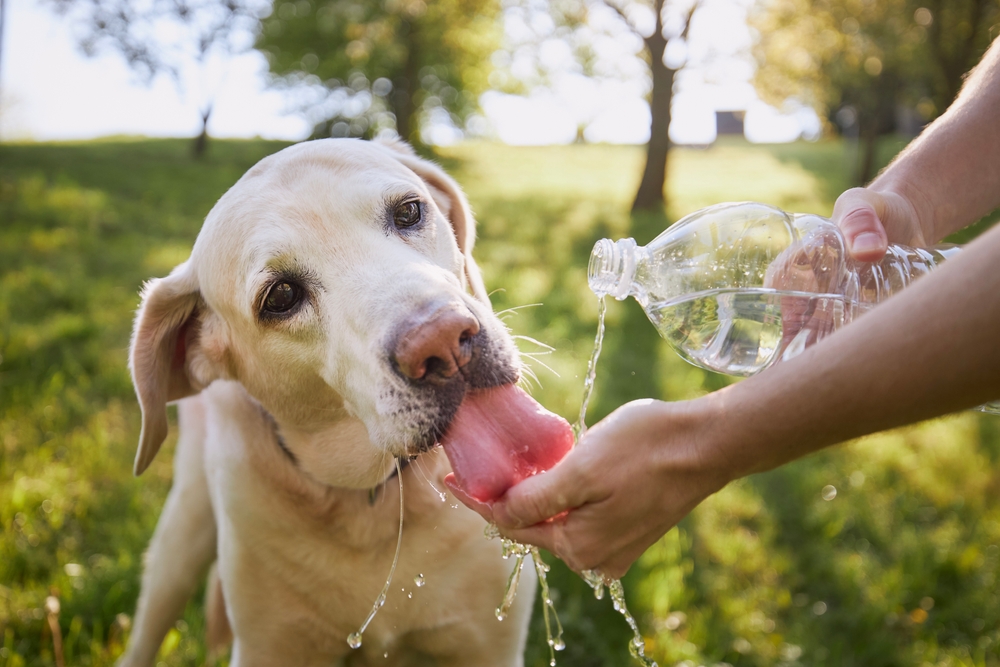
In extreme heat, sufficient fluid intake is essential, especially during high activity or after walks. Here's how to get your pet to drink more along the way:
- add watermelon cubes (seedless) or cucumber to the bowl
- offer homemade bone broth
- moisten the food slightly or serve it in broth
- give BARF smoothies made with puréed fruit and water
- herbal ice with mint or lemon balm for dogs (not for cats)
These tricks support gut health and also help with picky eaters.
Which BARF recipes suit hot days?
BARF ice cubes
Perfect as a snack in between or to keep your dog busy on the balcony. Recipe idea:
- 1 tbsp goat's yoghurt (best left out for cats)
- salmon oil as per pack instructions, guideline: 1 tsp per 10 kg
- 2 tbsp puréed cucumber or watermelon
Mix everything together, pour into ice cube trays and freeze. This also works with bone broth or puréed vegetables. With cats, check that they tolerate the ingredients.
BARF smoothies
Smoothies provide fluid and vitamins. Suitable bases include:
- water or unsalted meat broth
- grated vegetables such as courgette, lettuce, cucumber or carrot
- a splash of linseed oil or coconut oil for healthy fats
Small recipes for hot days
- Chicken bowl with watermelon and cucumber
- Minced beef smoothie with carrots and coconut oil
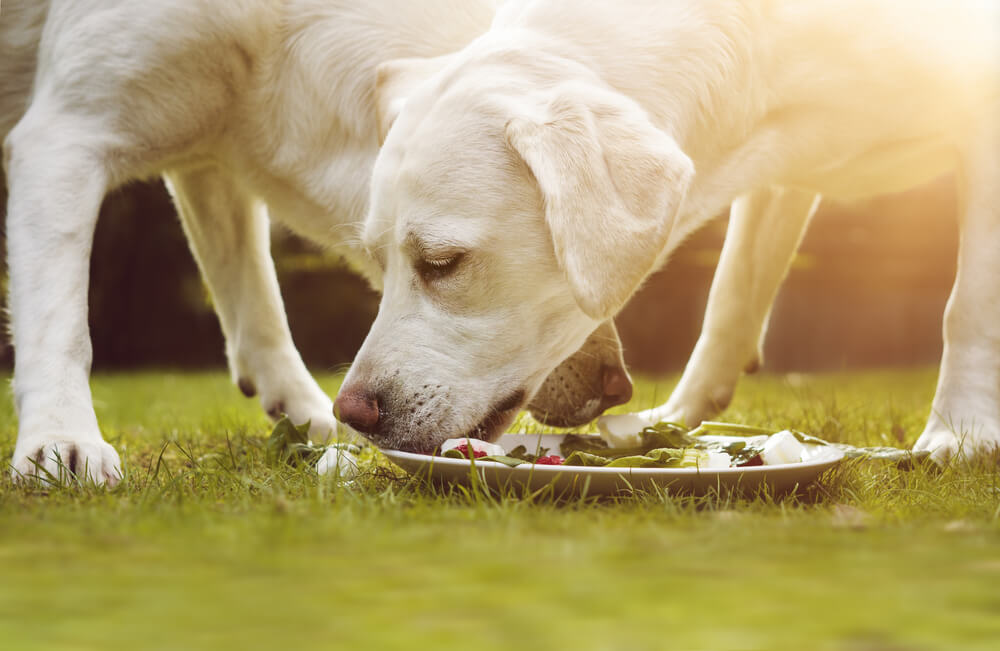
- Cold BARF platter: finely chopped meat, puréed vegetables, a little oil and fresh herbs such as parsley or basil (for dogs only)
For dogs with “deficiency cold” according to Traditional Chinese Medicine (TCM), you can specifically use cooling ingredients such as spinach, lettuce, berries and sour apples in hot weather.
Conclusion: well prepared for travel and summer
With the right preparation and suitable alternatives, you can feed your dog a species-appropriate diet even on the road and in hot weather. Whether it's high-meat wet food, BARF sausages or dry BARF: find the solution that suits you and your trip best. Plan ahead, use clever storage solutions and keep an eye on freshness, and BARF stays a safe and healthy way of feeding in summer too.
Find out more about BARF: